

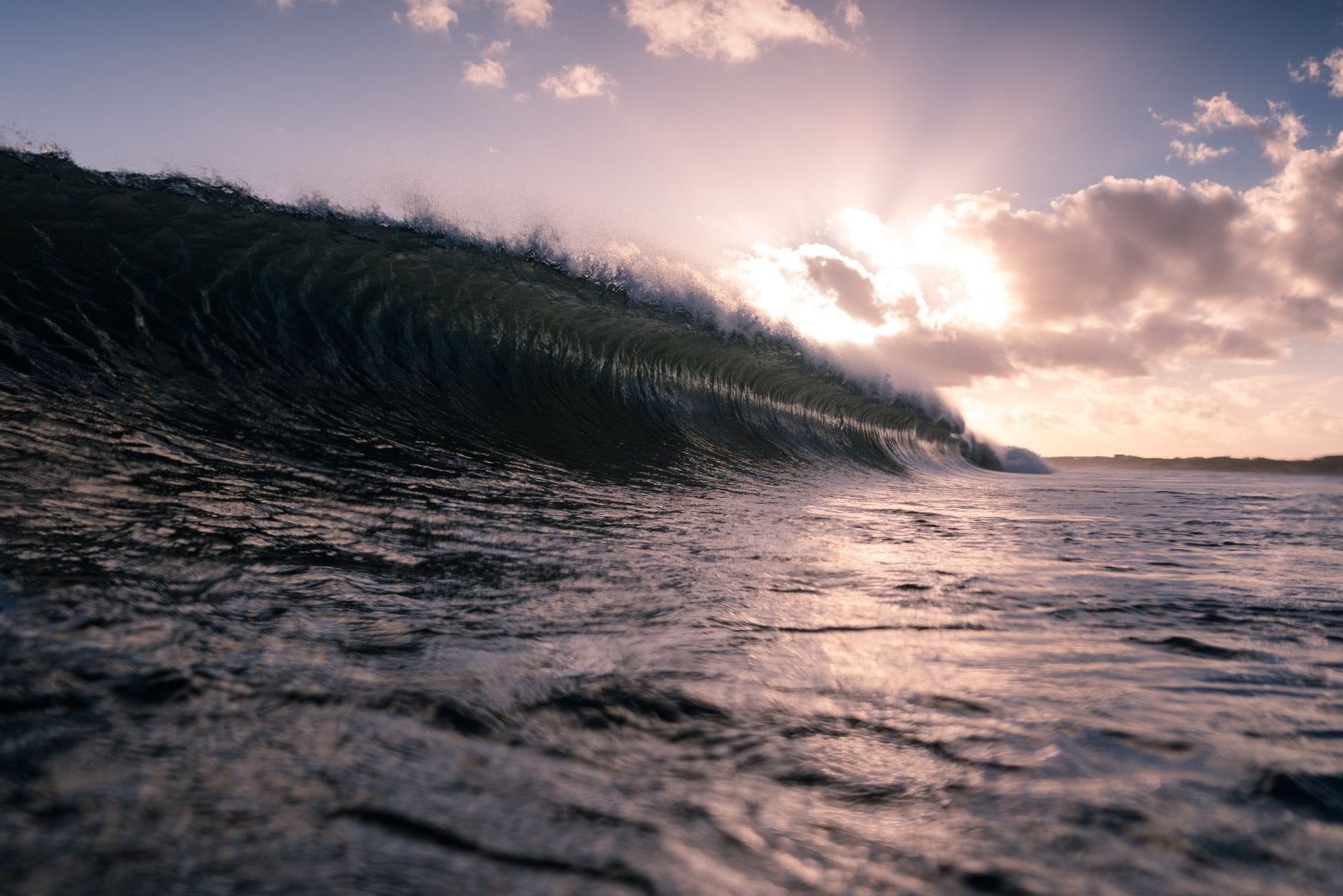
Are we living in the Earth’s dream?
Welcome to the wilderness. My name is JJ van de Vyver and I’ll be your guide on the series where we explore ideas so wild they might just work.
I’ve walked away from everything I was taught measured success – impressive qualifications, high-powered job and playing by the rules – called by the feeling that the way we organise society isn’t working. The stakes are high and time is short. A new future is calling – we need to question how we do things and trust nature to guide the way. Welcome to Wild Ideas.
Today I’d like to share a personal essay with you about the way that nature slowly woke me from my nightmare of burnout, meaninglessness and isolation – to co-create a different future. This is the fifth and final essay of this introductory series, where I’m leading you through my inner world so that we understand one another before setting off into the wilderness together. If you missed any of the previous instalments, you can find them here:
Today’s wild idea: are we living in the Earth’s dream?
The dream
Does the Earth know I’m here? Did it plant these seeds of wakefulness along my path? Stripping away any pretences of immortality when it halted my blood? Bringing me to my humbled knees through the burnout? Glimmering with hope as I overcame my doubts? Showing me what can happen when we work with nature? Connecting me with the souls who taught me to tend my being?
Is the Earth calling to us all?
Am I in her dream now?
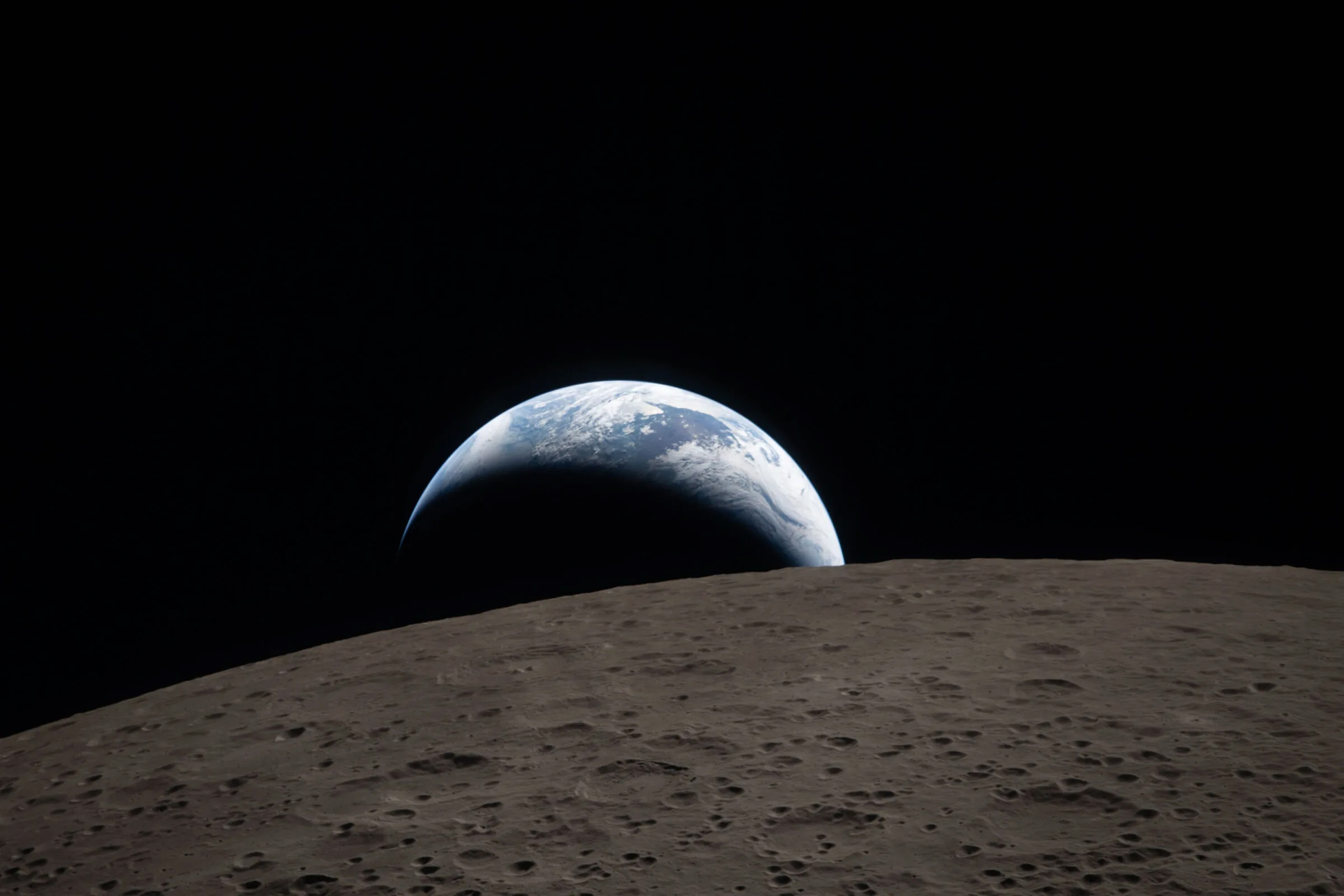
Preparing for a journey, autumn 2023
I woke up in the early hours of the morning, the pain on the left side of my back aching worse than the day before. A knowing settled on me… something is wrong. I tried to shake the thought and ease back into sleep – I’d see how things were when my alarm went off. It was the third day in a row with this flashing pain on the left side of my back. I opted for some stretching and a massage the night before because I thought I’d tweaked a muscle, but the pain just kept increasing. At least it was Saturday and I wouldn’t have to cancel any work arrangements to get it checked out.
I called 111, the urgent healthcare line in the UK. I’d heard about it while mapping the five-year strategy of an NHS trust for work, and it was the preferred way to triage how urgent a situation was without calling the emergency line.
A female call advisor walked me through some quick diagnostic steps. Is it worse when I breathe in deeply? Yes. What about with my hands raised above my head? Yes. I could sense her moving along a decision-tree as I sat with my partner in our bedroom above our cosy Oxford street. Outside, parents walked their kids to sporting fixtures and groups of runners worked up a sweat ahead of coffee and croissants.
“We’re going to need you to come in as soon as possible. Based on your postal code, it looks like John Radcliffe Hospital is nearest to you. Can you get there?”
I told her I could drive there.
“Best that your partner drives. Go to the Ambulatory Assessment Unit on Level 4. Avoid eating anything before you can be seen.”
I just remember how slow everything felt: putting on my clothes; the drive to the hospital; trying to find the elevators to level 4; checking in and sitting in the waiting room; the nurses checking my pulse, blood pressure, temperature and taking blood samples to get a better profile of the state of my body. After I was told to come to the hospital my panicked brain raced at the thought of medical emergency, meanwhile the world continued on at normal speed.
First we did an X-ray. The soft tissues of my sore body stood still as the electromagnetic radiation passed through them, reaching the detector on the other side with relative ease through fat, muscle, organs and air. The heavy calcium of my bones absorbed more of the X-rays, causing fewer to reach the detector and creating a light contrast on the image the doctors would analyse. Holding my partner’s hand on our plastic seats in the waiting room, the doctor informed us that my chest looked normal and that he had ruled out a collapsed lung. We would have to do more tests.
It was harrowing to imagine dying on this particular Saturday. My father had passed away suddenly 18 months before and I was one week away from beginning a 1000km walk across Spain on the Camino de Santiago. In large part, the pilgrimage was to be with the grief of losing him. My bag was packed, including the engagement ring I was planning to surprise my partner with when she joined for two of the six-week walk. My time off work was booked, and I wanted to reflect how I was investing my attention and whether it aligned with my life’s purpose.
Next, we did a CT scan. I entered a room dominated by a large donut-shaped white machine, with a bed extending out of its vertical hole. I lay down, instructed by the nurse, who explained they would need to inject an iodine contrast into my blood through the IV in my arm. I’ve never done well with needles and bodily insides – I wonder whether I got that from my dad, who fainted during my birth – so I looked away as they hooked me up. The nurse and attendants left the room and the giant donut started to whir. I could feel the iodine entering my blood, warming my throat, backside, arms and legs as my heart pumped it through every available blood vessel. The bed moved slowly into the machine, where a small panel reminded me to breathe. Inside the CT scanner there’s a tube on one side firing X-rays and a detector on the opposite side picking them up. These spin around your body as the bed moves you in bit by bit. The iodine absorbs more of the X-rays, allowing the doctors to see every blood vessel in the 3D image that results.
The nurse helped me up once the machine stopped and I made my way back to the waiting room where my partner welcomed me into her calm embrace.
A while later the doctor returned with some information brochures. I had what’s called a pulmonary embolism, meaning an artery in my lung was blocked by a blood clot. Blood is typically liquid but can solidify when needed, for example to stop bleeding through a cut in the skin. Somewhere in my body in that last week, most likely in a deep vein within my legs or pelvis, a clot had formed for a reason that wasn’t clear. A piece of the clot had broken off and travelled through my circulatory system before becoming stuck in a tiny vessel in my lung, preventing blood from flowing through its sub-branches and causing the pain that urged me to call 111.
I was sent home with blood thinners, painkillers and a follow-up appointment with a blood specialist to try figure out why my blood was clotting. My doctors had said that, in principle, there was nothing stopping me from walking the Camino. One week later I boarded a flight to Spain with my backpack, engagement ring and swirling feelings.
The dream of death
I know what death is. I’ve seen it take loved ones away, and the finality of their not being here still pierces my heart. I’ve looked for the reasons death found others and created instructions to avoid the same fate: don’t smoke, exercise more, drive carefully… I’ve done meditations where I am on my deathbed looking back on my life. But in all those cases, my death was never today – it was always somewhere ahead.
But today I lay in a hospital bed with a pain in my side accompanied by the concerned glance of doctors trying to understand what was happening inside of me. Can I say this body is me? What was mine to do as the blood in my veins slowed to a halt? I was so afraid, afraid of a painful unravelling of this strange, wondrous life experience. Afraid that I might never step foot outside again. Afraid that my most recent conversations with loved ones would be my last. Afraid that the world would awake tomorrow and continue in my absence.
What remained undone? I’ve been so thirsty for so long – my need for meaning unquenched by the shapes I’ve contorted into for work. It’s like there’s some purpose I’m here to fulfil… some small offering to the world… some fruition of my own nature. And today it dawned on me that I might slip away through death’s curtain without fully realising who I am, without discovering what it feels like to become that person: there just beyond the fears that keep me here.
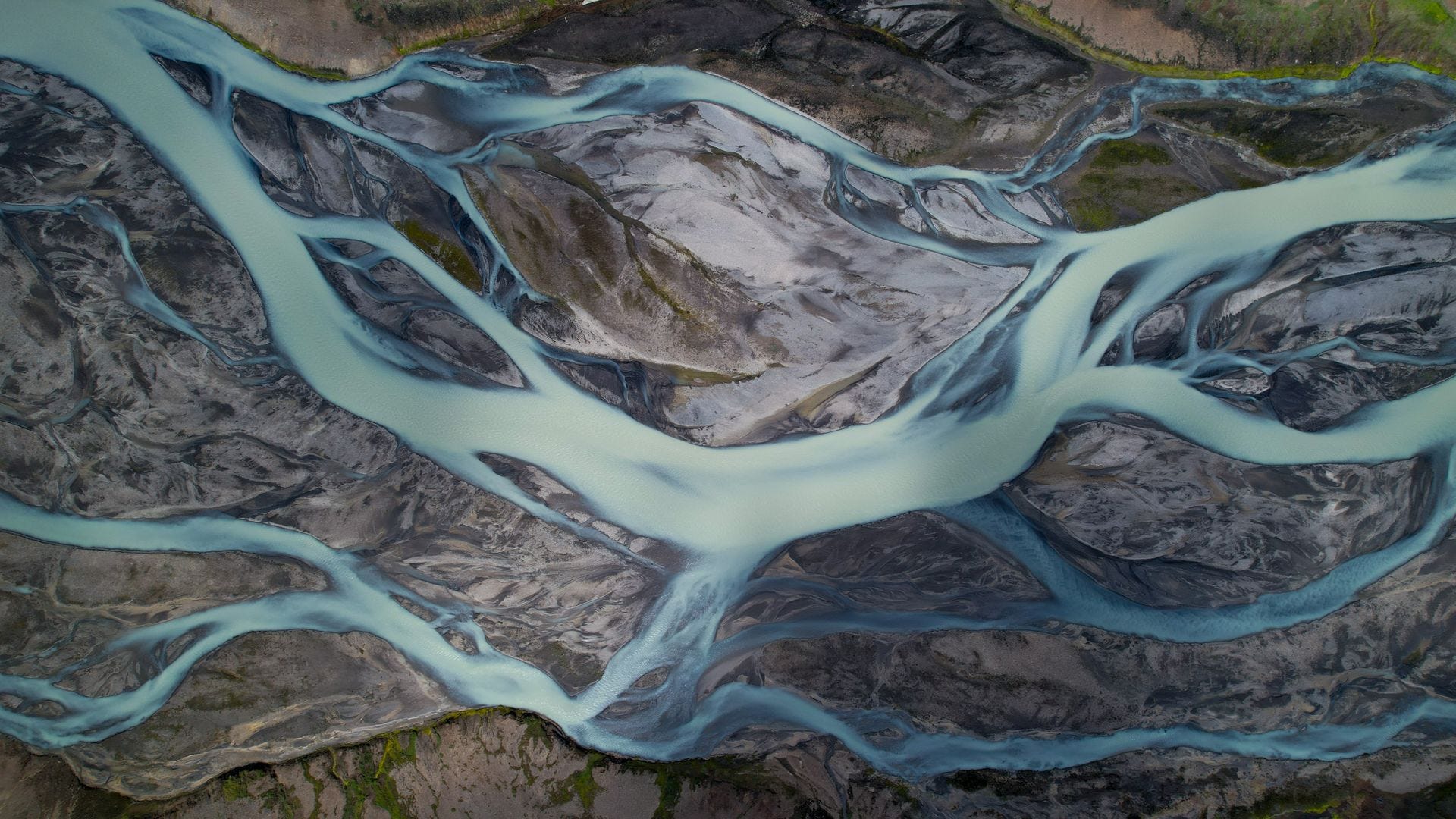
This path doesn’t go on, summer 2024
By that point in the conversation, I was lying flat on my back upon the black and white wooden beam. The monument supporting me had six such beams, arranged like spokes on a wheel around a circular brick centre. A plaque in the middle commemorated two hundred years of the Oxford Canal. It was built at the modern terminus of the canal: the very end of the manmade waterway originally dug to carry coal to the city1. As I lay there, speaking on the phone with a dear friend named Jo, I realised I had reached a dead-end too.
Jo had experienced clinical burnout herself. She made a point to refer to its medical term “clinical” – not to be confused with the colloquial use of the term referring to the kind of tired that a vacation can heal. As she described what it felt like, I recognised every stage: a never-ending intensity at work, built on a passionate commitment to serve the world; the sudden brain fog, loss of energy and inability to focus; not being able to get up or make concrete commitments; a retreat from social engagement; growing darkness, negativity and fear… Each symptom felt painfully familiar – it was as though she were describing my life.
She reminded me of things I had almost normalised. For three years in a row, I’d spent every Christmas holiday sick – using the break to recover enough to go back to work. I’d returned from the Camino de Santiago ablaze with life and vision, only to find myself back in a pit of despair within two months. We’d recently visited my fiancé’s father and stepmother, and halfway through our visit I was so overcome with emotional exhaustion I withdrew completely. I’d spent a week of leave aimlessly watching series hidden away from the world and hiking a rocky causeway wondering whether continuing to exist was worthwhile.
Jo told me that once she realised she had burnout, she reframed everything. Recovery took more than a year, followed by transformation. She promised herself that she would focus as much as possible on only doing things that were fully a “yes”. She would let go of the word “should” in her vocabulary. Those words really struck me because my whole life was built on “shoulds”: the standards I should meet, the responsibility I should carry, the way I should show up, the version of myself I should continue to be.
If this path was ending, where did it start? My mind raced. I thought this job would be different, I thought I was finally in impactful work. Five years previous I walked out of my MBA programme ready to change the world. I was hot off the topic of climate change and incensed that we had the technology available to transition away from fossil fuels but weren’t doing so because humans disagreed how much the world was burning. I was going to find a way to make meaningful maps of reality so that leaders could come together around our shared interest in a liveable planet. One mentor, after listening patiently to my plan all those years ago, had cautioned me clearly. “Be careful about wanting to be the protagonist in that story. It becomes about you, not the world you think is worth saving.” That caution found me again as I lay on that monument in the afternoon sun talking on the phone.
I was so grateful and crushed by the conversation with Jo. A tear rolled down my cheek as I shifted position on the hard beam; a willow tree hushed nearby in the wind. I lay a stone’s throw away from Hythe Bridge Street – hythe meaning “landing place”. Thanks to this call I had landed somewhere, though it felt like rock bottom. The monument at the end of the canal also sits alongside Castle Mill Stream, which goes on to meet the River Thames and eventually reaches the sea. My journey to recovery also meant learning to flow with life again.
The dream of humility
How will I ever find my way out of this place? It’s been so dark for so long, I don’t remember what inspires me, I can’t recall the things I do for fun. Perhaps I’m too intense or think too much? Or need to meditate more or exercise more or journal more? I’m so tired of the endless self-improvement to-do list. I’m so tired of trying to be someone else. I just want to feel comfortable in my own skin, I just want to be seen and loved. Maybe I’m looking in the wrong places.
My intentions seem pure, are they misguided? I want to contribute, I want to help, I want to make something of my life. Did I approach making an impact wrong? Was it still about me?
I’m not sure the world needs saving. How special do I think I am that I might rescue the planet? How foolish… working myself to death in the hopes that someone else will fill this dearth of self-worth in me. This isn’t working, this path doesn’t go on. There must be another way.
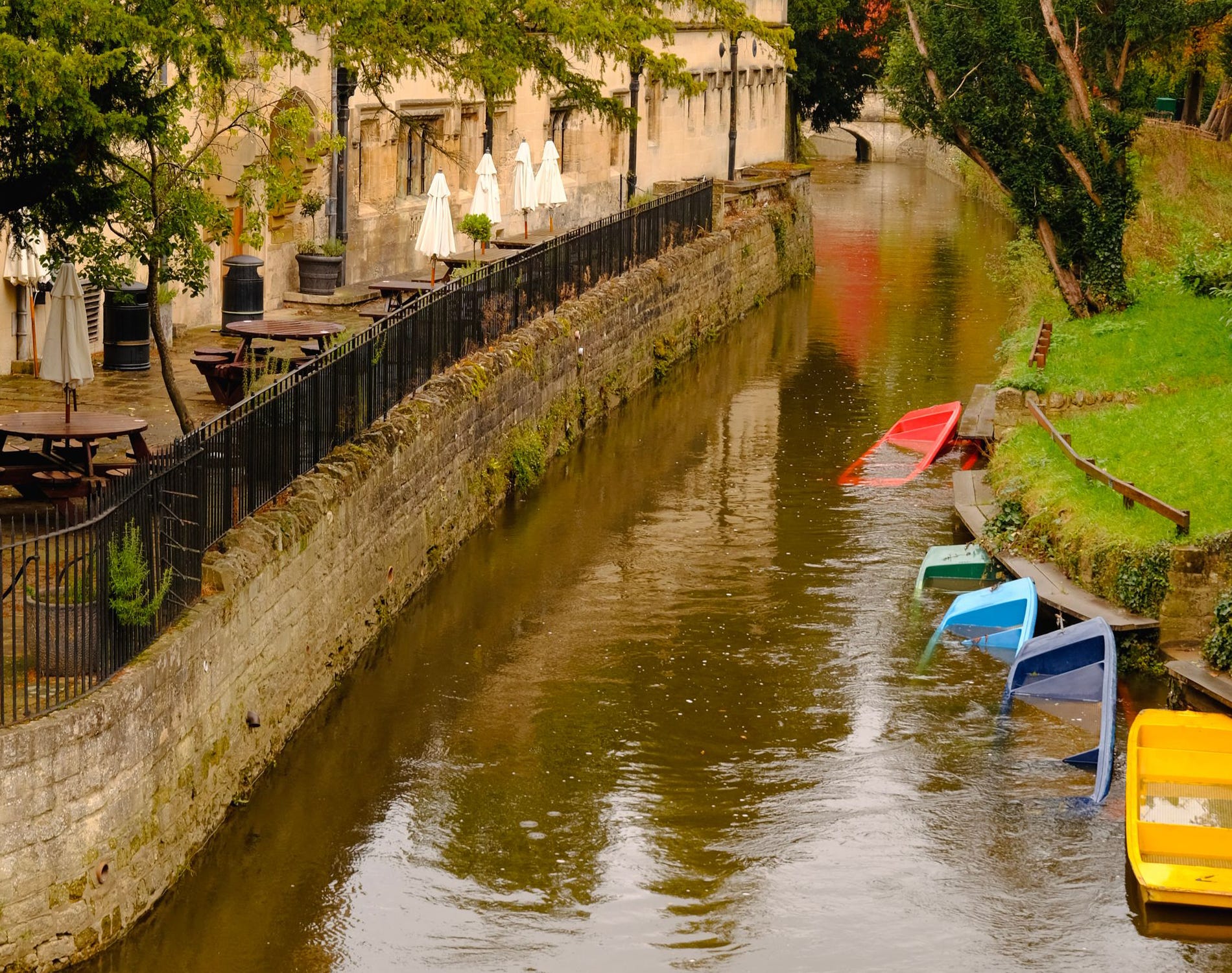
Twisted in knots, spring 2025
I knew I wanted to write; I knew I wanted to help shift human consciousness; I knew it was about our relationship with the Earth. There was a lot I didn’t know. How would I earn income? Why the US and why now? Could we save ourselves in time? It had been almost a year since I learnt that I was burnt out, and I was explaining my next steps to my spouse, her dad and stepmom over lunch. They were my family here in the UK, my home away from home. I hoped I seemed more confident than I was… I wanted their support. I needed some support in this career change: it felt both hopeful and hopelessly naïve.
“And what about your current place of work? Do they know you’ve decided to move abroad?”, my father-in-law asked.
I said I planned to tell the company soon, giving them more than my legal notice to organise a replacement before I left. I was involved in so many aspects of the work, and recruitment was a long process. It only seemed fair and kind to give my colleagues time.
“But what if they don’t take it well and these next three months become really unpleasant?”, my stepmom-in-law asked.
I hadn’t considered that possibility.
“You’ll want to think about it carefully before rushing into a decision. You really don’t need to act from a place of guilt here; these things are contractual, it’s as simple as that.”
I left our lunch with many thoughts. I wasn’t sure if I was acting from a place of guilt and trying to assuage my own feelings. I wasn’t sure how my boss or colleagues would react. I wasn’t sure what would come next in my career. I’d been walking through the desert of my burnout for so long, I just knew I needed to reach water soon. It made sense to move to the US: that’s where my spouse’s job was leading her. And it made sense to try to find the thing I was thirsting for in my work.
One week later I found myself wincing in my chiropractor’s office south of Oxford as I tried to touch my toes. He asked me to perform a couple more movements and report where I felt the pain. “Ok, so what’s going on, JJ?” he asked, anticipating a story was afoot.
I told him I had gone for a run after my family lunch and that my hip had suddenly flared with pain. I added that I had made the decision to quit my job but wasn’t sure when to tell my employer – I felt dishonest that I was now certain about something and wasn’t disclosing it to others.
“The way you’re contorting your spine because of your hip pain definitely makes it look like you’re twisted in knots,” he said wistfully. “As you know, I can help you on the structural musculoskeletal side, but you’ll need to have to look at the emotional side. It sounds like you’ve got a lot going on.”
I drove home somewhat disappointed that this wasn’t just a physical thing we could diagnose and fix. The impossible task of telling my boss still lay before me. The need to act in this uncertainty had not gone away. Perhaps most of all, the prospect of leaving a place where I felt needed – despite the toll – was fast approaching.
I scheduled a video meeting with my boss for Friday afternoon. Friday afternoon arrived; the call started. I told him the truth: I was burnt out and I was moving to be with to my loved one. It meant my work with them would end. He listened, he understood, he supported the reasons for my decision. We ended the meeting. I walked and wept.
The dream of courage
I’ve spent so much of my life listening to other people, valuing their assessments above my own. I know what I must do, but I am afraid. I am afraid that what I want won’t be ok for others. I am afraid of judgement for abandoning the script to pursue the unknown. I am afraid of failing. So, when caring family members ask about my plans, a world of fear and doubt comes out. I abandon my instincts, I tie my thinking mind in knots and my body follows. I invent monsters only to discover they were shadows I projected on a wall.
The closer I get to taking this leap the more my fears rise up. My thinking mind finds reasons to turn back, reinforcing that I am still not worthy. Maybe these fears kept me safe before, maybe this way of being served a purpose when I was small. But something deeper is rising. Some calling that speaks with the wind and the seasons and the tides, with the sun and the moon and the Earth.
I can’t see what lies ahead, only the next step. I have to believe there’ll be another step after I make this one.
The ground speaks, summer 2025
Ironically, it was on a fuel-guzzling flight that I first learnt about the Knepp rewilding project2. I love switching off and digesting a few films when I am unreachable between take-off and landing. The Knepp story begins when Charlie Burrell and Isabella Tree, farmers in southeast England, contact a tree expert to understand why an oak tree on their property seems to be losing stability. The remarkable tree man quickly diagnoses the issue and suggests a way forward but is drawn to other oak trees on their 3,500-acre estate that he’s much more worried about. The farmland has been ploughed ever since the ‘Dig for Victory’ agricultural drive during the Second World War, when the German bombing of supply lines threatened England’s food supply. That ploughing, particularly around the oak trees, repeatedly tears up the mycelium connecting the trees’ roots to the nutrients in the soil. It was the first time that Charlie and Isabella’s eyes were opened to the invisible connections in the natural world, and would form the seed of their rewilding project. It also touched on the deep patriotic associations that British farmers have with land use, which would lead others to question and criticise the project.
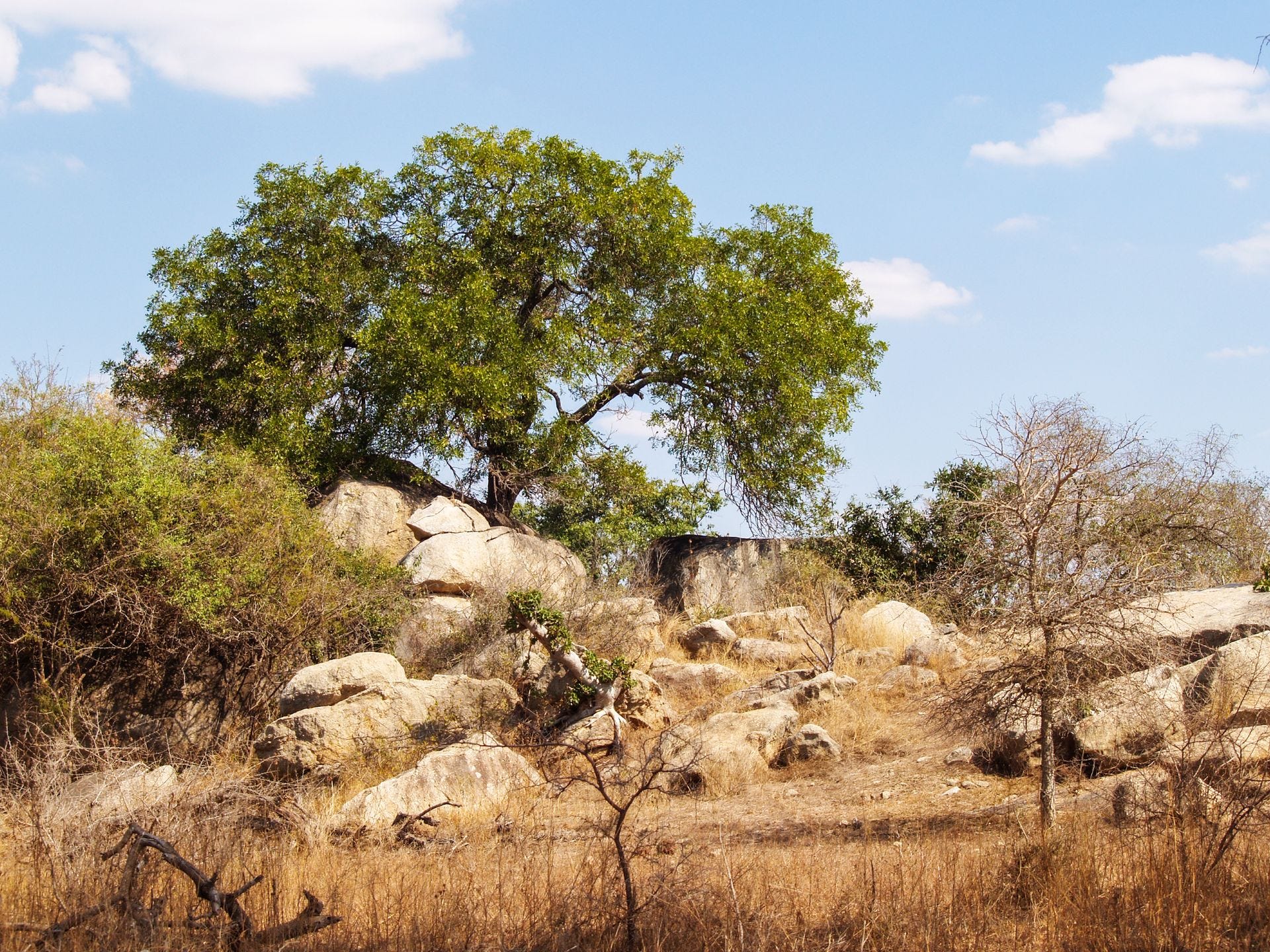
The couple’s call to nature reminded me of a vision I had before leaving South Africa to study and work in England. In that vision the fields abroad were made of astroturf, a veneer of lusciousness suppressing the ground beneath. Every hedge had been trimmed, the trees coppiced, the waters channelled and the fields shaped to please the eye. A land without predators, without danger, without disturbance. Everything perfectly predictable, controlled and safe. It might be a comfortable life, but not a wild one. And what was I leaving behind? I saw that the red soils of home were drenched in the tears that Mama Afrika sheds for her children and their untold suffering. And yet in that soil much can grow.
When I first arrived in Oxford in 2018, Africa pounding through my veins, I would go for walks through Christchurch Meadow barefoot. I have never been so conscious of my “uncivilised” bare feet, communing with the ground amidst a crowd of rubber soles. It wasn’t long before winter came and my feet were covered too. The next spring, the shoes stayed. It’s funny how quickly we conform to the behaviour of those around us.
I finished the movie “Wilding” on the plane and later picked up the book by the same name. Isabella Tree takes you on their journey, from deciding in 2000 that they would dismantle their farming operation and allow nature to be the driving force in shaping the land. Reading what unfolded opened my eyes to the invisible connections in the natural world too. I was stunned by the role that large mammals, many long absent from England, served in shaping a landscape, and that introducing trundling pigs and grazing deer could create diverse habitats that supported the recovery of endangered species. I was enchanted that the restoration of the shape of a river, as opposed to the drain-pipe architecture of canals, would allow the land to act like a sponge, reducing flood damage down-stream. I was shocked to learn that, at the time of writing her book, releasing wild animals like wild boar and beavers back into the wild without a licence was illegal because of the disruption that these animals might bring upon human entitlements. I was intrigued to discover that, after years of grants to rewild their property, Charlie and Isabella were generating income from eco-tourism and their organic produce, including pork from the organic pig population that had to be managed in the absence of predators. I found hope that their soil was showing considerable recovery in just two short decades of rewilding, holding promise for the diminishing soils and nutrient-poor food grown through modern agriculture’s use of artificial fertilisers.
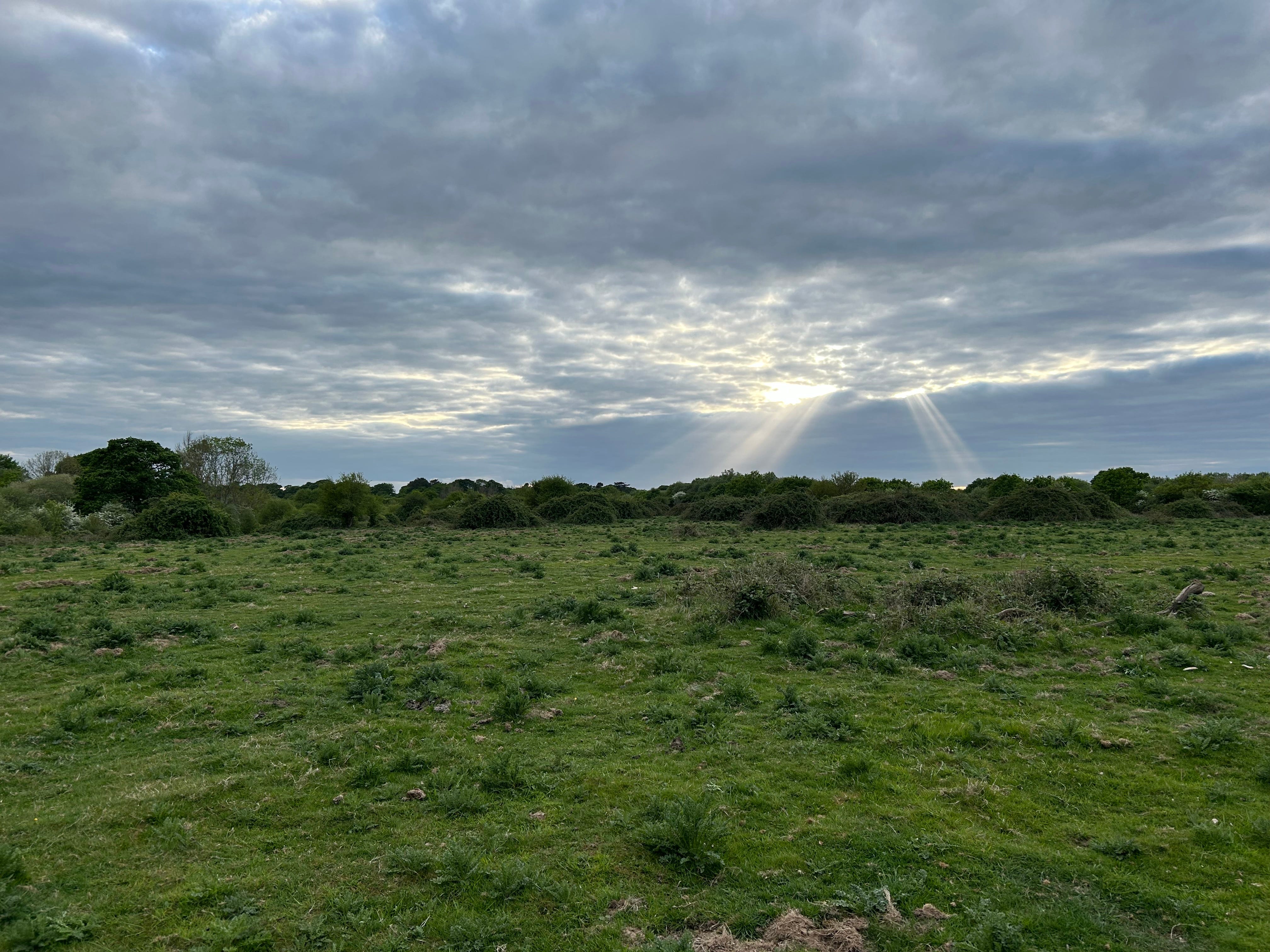
I went to visit Knepp in May 2025, setting up my tent in the campsite before heading for a long walk around the estate to see what 25 years of rewilding had done. I walked through those fields and forested areas, with wild thickets and overgrown hedges, listening to the sound of birds and looking out for wildlife. I hoped to catch a nightingale or turtle dove, two species that are part of the cultural imagination of the UK but whose habitat has become perilously scarce. They are bouncing back in Knepp. I saw a group of pigs rootling the soil, and deer that peered back before disappearing into the overgrowth. I stood with my spine against the most incredible oak tree and rested in its ancient presence as the sun pierced the afternoon clouds.
I don’t know how else to explain it, but that land felt healthy. It felt alive, vibrant, wild, dare I say happy. The ground spoke, and I listened. My body recognised something in that wilderness that it has not forgotten in recent lifetimes of civilised constraint. It reminded me of wild spaces in South Africa, conserved with the foresight that one day these refuges – sacred arks containing nature’s intelligence – might become scarce as humans cut and hunted and consumed insatiably.
Here was a blueprint for a future in which nature and humans could thrive together. Isabella Tree called it “wilding” and not “rewilding” because it wasn’t about going back to some former way of being, it was about creating a new way forward with nature.
Near the end of their first decade of letting nature drive, Charlie and Isabella faced a conundrum. An outbreak of creeping thistle, a particularly nasty weed, threatened their funding and their neighbours’ farms. Before their wilding journey began, they would have been out spraying weedkiller and chopping it all down. Now, they watched anxiously as it proliferated across their property over three years, threatening all they had co-created. Should they break their rule and interfere to save the project? And then, in May 2009, butterflies started to stream past their windows. Thousands of painted lady butterflies were descending across the property, part of an estimated 11 million butterflies who were making a 15,000-kilometre migration that took up to six generations to complete. Over the summer, countless black caterpillars ate their way through the leaves, spun cocoons, became butterflies and took flight, leaving the creeping thistle decimated. By the next year, the creeping thistle and its threat to Knepp’s future were completely gone.
The dream of wilding
This wild Earth is a miraculous gift. Here we are in our arrogance, trying to solve technologically for food production and water purification and flooding on a planet that has long perfected techniques for sustaining life. It is so exciting to see and feel what is possible when we work with nature, bringing our intelligence in service of her own. There is hope! There is hope to meet people’s needs through nature’s flourishing. There is hope to slow the mass extinction of our fellow earthlings. There is hope for people who yearn to practically create a way forward in these dark times.
If it was possible for biodiversity to recover here, the birthplace of the industrial revolution where wild animals have all but vanished, it is possible anywhere. This incredible task has only just begun, but it’s a start.
We just need to keep our resolve until the butterflies come.
Finding my way, spring 2026
I landed in Washington DC on a Saturday evening in the winter, just after all our boxes from Oxford were delivered. This was it, my new beginning. I had finished the old chapter as best I could: my job ended after I completed my handovers and I left with my head held high; my course was complete and I’d qualified as a systems thinking practitioner; and I became eligible for UK citizenship after years of working in the country, meaning I could return again in the future. With some savings and few commitments, I could create the life I wanted.
By Wednesday, just four days in, I was flat on my back in bed. I had locked myself in an office both Monday and Tuesday and worked all day under the dulling indoor fluorescent light. My strategy was to write an article a week for the next eight weeks – it felt like there was no time to waste in laying the foundations for the new me. And now I was sick, stay-in-bed sick. I was so upset that my plans were already being foiled by my unreliable body.
It took me a few days and conversations to realise the irony of my approach. Free to do whatever I pleased, I ran straight back to what I knew – laptop, indoors, nonstop – and my body drew a line. It hadn’t occurred to me to unpack my bag and boxes and make a home for myself in the new country I’d just moved to. Or to connect properly with the life partner I’d been living away from for months. I just raced back to producing as much output as possible. My body, my inhabited nature, would be silenced no more.
It was a pattern that would repeat several times over the next few months: life upending my plans of how things should be. And each time I got upset for being distracted from my writing by travels or house admin or special occasions or injuries. So angry that I often struggled to be present with the sacred occasions on my doorstep. So exhausted that I became sick and needed bedrest. I couldn’t believe how much I itched to be productive, to have the rush and momentum of working hard and late and churning out lots of stuff. I didn’t feel like I had value unless I was productive, and to maximise productivity there wasn’t time to tend to my needs.
Six months into my new life and I was in the thick of deadlines to deliver things for other people. I was still sorting out my US work authorisation, so all these deliverables were voluntary collaborations. I was working late night after night while my writing lay untouched and I could feel burnout rear its depleted head for the first time since I left the workplace. How is this possible? I’m not in a job anymore, why can’t I get to the things that matter? What’s my excuse for not writing now?
Louise, a mentor and guide I was working with, had to break the news to me. Over several sessions she explained the pattern she saw at play. For years I had operated under the belief that I had to struggle in my work, that money couldn’t come naturally to me. Writing stories, creating a business, putting myself out there – these things were terrifying. They touched on all the pain across my life where it felt like what I wanted to contribute wasn’t wanted. Working late, feeling under-resourced, prioritising other people’s needs – these were all well within my comfort zone. I thought I’d left the system of oppression when I walked out of a paying job, only to discover that the system of oppression was in me.
Louise warned that my own voices of doubt would become loudest as I neared my dreams, finding all sorts of ways to talk me out of making each next step. She foreshadowed that I might look for solace in a new space or a new job, but that it was the work of shifting my identity and aligning with my purpose that held the keys to my long-term sustenance. She taught me to become vigilant of the place I was acting from: that fear would lead back to my comfortable place of smallness, but that on the other side of my fears lay the hopes that I had moved across the world to pursue. Finally, she encouraged that only love, a deep love for the boy who slowly gave up on being himself and looking after himself to stay safe, could invite the lost parts of me back into wholeness of being.
Her words were like spring rain on the dry bushveld.
The dream of care
Ok, it makes sense that I can’t contribute to regeneration and wholeness in the world from a place of inner depletion and fragmentation. It’s just wild to me how normalised this self-neglect, dressed up as productivity, is. From the food that becomes me to the sleep that restores me to the relationships that ground me – why are they the last things I attend to? What would happen if the love started here?
I see now that caring for my own embodied being is caring for the Earth’s body. The same things that make me sick make her sick. But shifting my habits is so, so hard. Most difficult of all is my harsh inner voice criticising me. When I can really share with others on this journey, it is easier to find compassion for all the ways I hurt myself and those around me.
I ask what I can do for my body, and the cells animating me answer, “Attend to us”. I ask what the humans can do for the planet, and the plants and creatures of the wild world answer, “Attend to us”.
I don’t know what’s going to happen. Maybe caring is all it takes.
Is the Earth waking us up?
I’m sitting in the writing salon down the road from our home in Washington DC. Eight months ago I embarked on this essay series and today I’m penning the final words of the final piece. “What does it mean to form part of a greater whole?” This question keeps knocking on the door of my consciousness. What stories in me must give way so I can find vulnerability in my partnership, bring value to the groups I work in, connect with the people around me, tread gently among the life of this planet?
Is this what has been awoken in me?
I lay upon a plastic bed as a great machine scanned my body for blood clots… and dreamt that I, too, will die and it spurred me to action. I hit burnout and could not keep working in search of validation… and dreamt of the humility that might lead me to be of service. My fears screamed and shook me as I stumbled to find my own path… and the dream of courage gave me the strength to continue. I walked upon land returned to nature’s hands and it sung of its own accord… a great oak tree invited me to the dream of wilding. I set out towards new horizons… and discovered that the dream of care begins with my own body and the beings before me, and then ripples out into the world.
I see so much suffering, suffering like mine. In humans, in how we relate to one another, in how we treat other life forms, in what we’re doing to our Earth. It all seems connected: our story of being separate selves, our fears, our loneliness, our cycles of violence, our dehumanising workplaces, our cruelty to animals, our plundered planet… So much hurt for creatures that yearn to be fully seen and fully loved.
And I have so much hope for what could be. I choose to believe that our pain is an invitation to become more than what we’ve been. That it invites us back into connection, back into relationship, away from our self-enforced isolation where we feel in control but nothing grows.
What does it mean to form part of a greater whole?
Earth, if you’re there… Can you wake us from our nightmare of separation and bring us into your dream? Can you save us from ourselves by reminding us that we’re part of you? Reach into each of our hearts and unleash a burning yearning to relate anew? Please… we’ve lost our way in our stories – the thinking mind can be so powerful and so arrogant. Please… there is so much good in us yet to come.
Afterword
Thank you for walking through the wilderness with me. We have explored much together, and the journey is just beginning.
If this work resonated with you, subscribe and share it with others. Help this love to reach the eyes and ears who need it.
Acknowledgements
A huge thank you to:
Jo for your feedback on an early draft of this piece
Louise for your feedback and creative guidance
Leigh and Lesanne for encouraging, shaping and holding space for this series
Phillip-Jan van Zyl for his beautiful piano collection “Spiral” (in the audio version)
My partner Ash for your love and support as these pieces came to life
The wild spaces, the butterflies and the whispering Earth
The many wonderful humans who inspired these words through our conversations.
Further attribution:
Orihuela, F. (2021) High wind wave in the sea. [photograph] Pexels. Available at: https://www.pexels.com/photo/high-wind-wave-in-the-sea-7818611/ (Accessed 30 September 2026).
NASA (2026) Earthset [Digital image]. Artemis II, 6 April 2026. Public domain; reuse governed by NASA’s image use policy. Available at The Planetary Society, Bruce Murray Space Image Library: https://www.planetary.org/space-images/earthset (Accessed: 13 July 2026).
Björn Austmar Þórsson (2022) Aerial View of a Landscape [Photograph]. Pexels. Pexels License. Available at: https://www.pexels.com/photo/aerial-view-of-a-landscape-12756665/ (Accessed: 13 July 2026).
Bars, F. (2024) Picturesque Canal Scene in Oxford, England [Photograph]. Pexels. Pexels License. Available at: https://www.pexels.com/photo/picturesque-canal-scene-in-oxford-england-29678084/ (Accessed: 13 July 2026).
Chế, V. (2024) Floting [Photograph]. Pexels. Pexels License. Available at: https://www.pexels.com/photo/floting-27582253/ (Accessed: 13 July 2026).
Van Brandwijk, B. (2018) Green Leaf Tree Near Rocks [Photograph]. Pexels. Pexels License. Available at: https://www.pexels.com/photo/green-leaf-tree-near-rocks-885013/ (Accessed: 13 July 2026).
Ткаченко, Ю. [Tkachenko, Y.] (2023) Tree Roots on the Ground [Photograph]. Pexels. Pexels License. Available at: https://www.pexels.com/photo/tree-roots-on-the-ground-18238848/ (Accessed: 13 July 2026).
Music by Marshall Usinger, Moment of Now, Nitzan Rom, DaniHaDani, Mattia Vlad Morleo, Sid Acharya, Kyle Preston as well as sound effects under licence from Artlist (in the audio version)
Wild Ideas is produced by JJ van de Vyver. Views expressed are mine alone and don’t represent my clients or any organisations I’m affiliated with. Nothing here is professional advice of any kind.

Davies, M. (2012) City of streams and spires: a self-guided walk along Oxford's waterways. London: Royal Geographical Society (with IBG), Discovering Britain. Available at: https://www.discoveringbritain.org/content/discoveringbritain/walk%20booklets/Oxford%20Waterways%20walk%20-%20written%20guide.pdf (Accessed: 13 July 2026).
Knepp Castle Estate (2026) Knepp: rewilding pioneers. [online] Available at: https://knepp.co.uk/ (Accessed 30 September 2026).