

Can magic mushrooms evolve human consciousness?
Welcome to the wilderness. My name is JJ van de Vyver and I’ll be your guide on the series where we explore ideas so wild they might just work.
I’ve walked away from everything I was taught measured success – impressive qualifications, high-powered job and playing by the rules – called by the feeling that the way we organise society isn’t working. The stakes are high and time is short. A new future is calling – we need to question how we do things and trust nature to guide the way. Welcome to Wild Ideas.
Today I’d like to share a personal essay with you about personal development and my tumble down the rabbit hole of psychedelic ceremony. This is the fourth of five essays of this introductory series, where I’m leading you through my inner world so that we understand one another before setting off into the wilderness together. If you missed any of the previous instalments, have a read below:
Today’s wild idea: can magic mushrooms evolve human consciousness?
The night I lost my mind
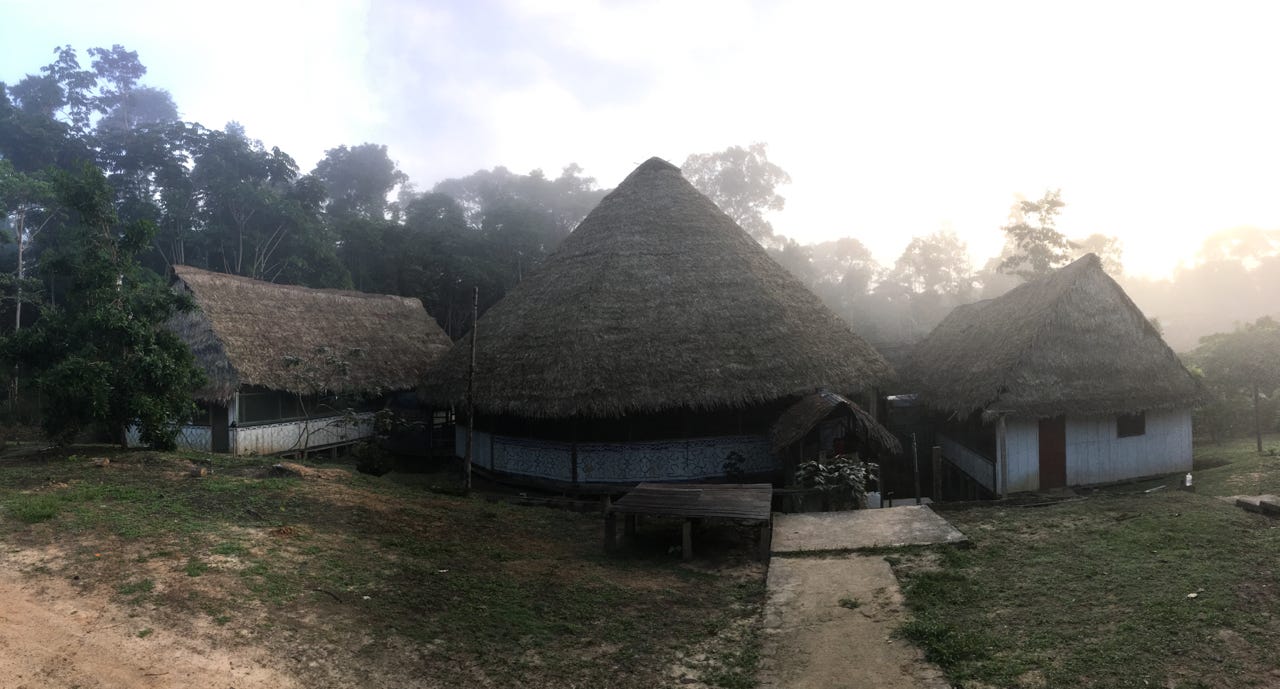
It was mid-May 2017 and I was halfway through a plant medicine course in the Peruvian jungle. A fellow participant and I were holding ayahuasca ceremony for the first time: serving the brew to the other participants and course instructors from the middle of a round thatched maloca and singing the healing songs we had studied over the past three weeks. It was late at night in the remote Amazonian darkness, and something was wrong.
Other participants were now singing in turn, and a darkness was spreading from person to person. First Enrique, the curandero we’d all come to learn from, went down. Mark, a male instructor who came to his support, collapsed to the floor and called for help. My co-facilitator for the evening attended to Mark and was soon in a bad place himself. I went to help, using mapacho smoke and my breath to assist my peer. He seemed to regain his sense of self, and I returned to my mattress. The curandero, sitting upright again, began to sing.
A thought arose in my mind: Here I am, across the globe from my home in South Africa, isolated in the Amazon jungle 80 kilometres from the nearest town, with a traditional healer I hardly know. What if I’ve been lured here? I don’t know the spiritual domains we’re exploring the way he does. What if he’s taking our souls? If my bead of conscious awareness is taken away from my body, I’ll never wake up again. If I get lost in purgatory, I’ll never see my brother, my dad, my friends… I reached out with my mind for any loved one who might still be awake at this hour. Please, anyone, I need help. This was a nightmare beyond any I’d imagined. What is he singing? Make him stop singing!
Sophia, a female instructor, saw my distress and came to sit with me. “JJ, you’re in the jungle and you’ve drunk a cup of ayahuasca. You’re safe. Breathe. Breathe deep into your body. Can you feel your chest rising and falling? You’re here, with me. Can you feel the ground beneath you? You’re going to be ok. You’re going to understand. Breathe with me.”
I woke up the next morning and burst into tears. I’d made it to the end of the ceremony – just – and retreated to my bed rattled with fright. There was no way this experience could be good for me. How would I ever step into ceremony again with this much fear and mistrust coursing through my veins? We had another ten ceremonies to go! I wanted to go home. I walked from my room across the warm sand towards the raised eating hall, the tremendous sounds of the jungle rising from the green backdrop beyond. I found Mark eating breakfast, sat down next to him and asked what had happened and how I could possibly go on.
This ceremony would turn out to be a pivotal moment in my personal growth. It was also one of the most difficult evenings of my life. To understand its significance, we need to go back in time to contextualise why I was in Peru exploring psychedelics in the first place and then move closer to the present to see how something so frightening could be so fruitful.
A seed is planted
I experienced my first depression during my undergraduate studies, seven years before that night in the jungle, although I wouldn’t have called it “depression” at the time. I knew I was in a dark place halfway through my second year when, despite a visit to my favourite seaside town, the sadness wasn’t going away. I resolved to get myself out of that emotional space, although I wasn’t exactly sure how. As it so happened, I was elected to a student committee a few months later and given some responsibility. The sense of purpose in my position of service carried me all the way through to my final year. Once I stepped down from my role amid long exams and the incredible stress of my accounting studies, the darkness returned.
I finished my accounting degree at the end of 2012. Instead of diving straight into a training contract to qualify as a chartered accountant, I deferred the start date for a year so that I could travel. India called to me for a few reasons, but primarily it was as far away from what I knew as possible. At the age of 22, it would be my first trip abroad. In March 2013, four years before Peru, my dad dropped me off at the airport with my big backpack and Indiana Jones hat, and I boarded a plane.
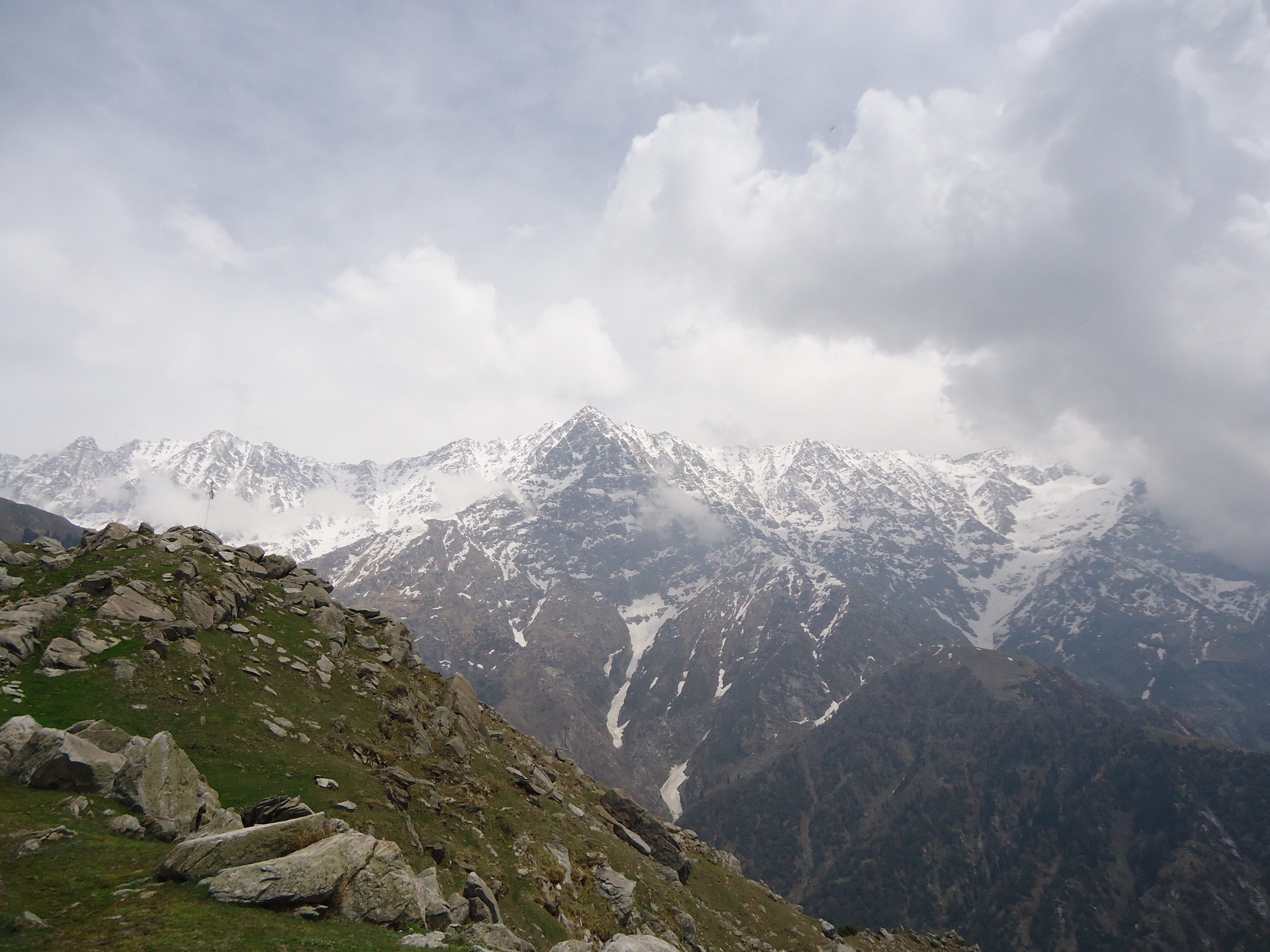
I spent a month in Rishikesh and four months living with a Tibetan in McLeod Ganj, a hill station in Northern India that is home to the Dalai Lama’s residence and the Tibetan government-in-exile. Everything in India was different: the languages I couldn’t speak or read, the chaotic flow of the traffic, the dilapidated buildings, the belief in reincarnation, the indifference to my accounting qualification. I could be a completely new person unconstrained by the assumptions of my home culture.
In all this novelty, India planted the seed that it might be possible to change the nature of my experience but that I’d been looking in the wrong place. Three moments made this clear.
The first moment was the night an Indian scholar shared a quote with me over late-night tea in Rishikesh. With a sparkle in my eye, I told him I wanted to make the world a better place. In response, Kaustubh shared the words of Rumi, the 13th century Persian poet and Sufi mystic. “Yesterday I was clever, so I wanted to change the world. Today I am wise, so I am changing myself.” After briefly absorbing the message, I soon went back to thinking about how to change the world. But the quote persisted, following me for a long time.
The second moment came one month into my time in McLeod Ganj when the darkness I’d experienced at university crept back into my emotions. One quiet evening I found myself on a bench looking up at the stars, a sight that had once filled me with an expansive sense of wonder. I lay there feeling an all-encompassing meaninglessness and declared, “What’s the point?”. Here I was in northern India, having changed everything about my life: where I was, who I was with, what I was doing… and I was back in the same emotional experience. The only common ingredient was me.
The third moment arrived during my introduction to Tibetan Buddhism. I attended a week-long course and read as many books as I could about freeing ourselves from suffering. These teachings challenged so many of my assumptions: the assumption that I end at my skin; the assumption that I’m one of billions of separate individuals; the assumption that to change my internal state I need to control the world around me. One idea came up again and again: pain was unavoidable in life, but suffering could be alleviated… and I suffered because I misunderstood how I existed. So then, how did I exist? I got the sense that until I’d dug a bit deeper, I hadn’t earned the right to ask the stars, “What’s the point?” There was more to read and learn.
I arrived back in South Africa after my time abroad with a head full of philosophy and a heart full of hope. Without a better sense of what I should do for my career, I took up my three-year training contract at a major audit firm. It wasn’t very long before the dark feelings found me again.
Drugs are bad
I was well-acquainted with the Afrikaans community’s conservative backbone because I grew up in it. When I returned from India, open and excited about what I’d found overseas, I could sense some people’s suspicion around practices from “the East” like yoga and meditation. One of the books I’d read in Macleod Ganj was The Doors to Perception by Aldous Huxley, where he recounts his experience of a dose of mescaline as part of a scientific experiment in the 1950s. Mescaline is a psychedelic compound found in certain cacti from the Americas and Huxley believed it “gave him unmediated access to realms of existence known only to mystics”1. I didn’t dare raise a conversation around mind-altering plants in South Africa, not with anyone. I knew it was taboo for most others, and at that point it was still taboo for me. This outright condemnation is an acute form of a wider moral judgement that cuts across almost every culture without a living indigenous tradition of psychedelic use.
We can trace the current global legal suppression of these “drugs” specifically back to the United States of America.
In 1955 the Mazatec curandera María Sabina introduced Gordon and Valentina Wasson to mushroom healing ceremony in Mexico2. Two years later the couple published accounts of their experience, most famously Gordon’s article in Life magazine entitled “Seeking the magic mushroom”3. They were both fascinated by the historical relationship different cultures had with fungi and were blown away by their experiences in ceremony with psilocybin mushrooms. Valentina speculated about their benefits for medicine, especially for supporting the terminally ill and alleviating addiction4. Their writing sparked widespread interest in consciousness alteration at a time when researchers and mental health professionals were pushing the frontiers of brain science through experimentation with lysergic acid diethylamide (LSD)5.
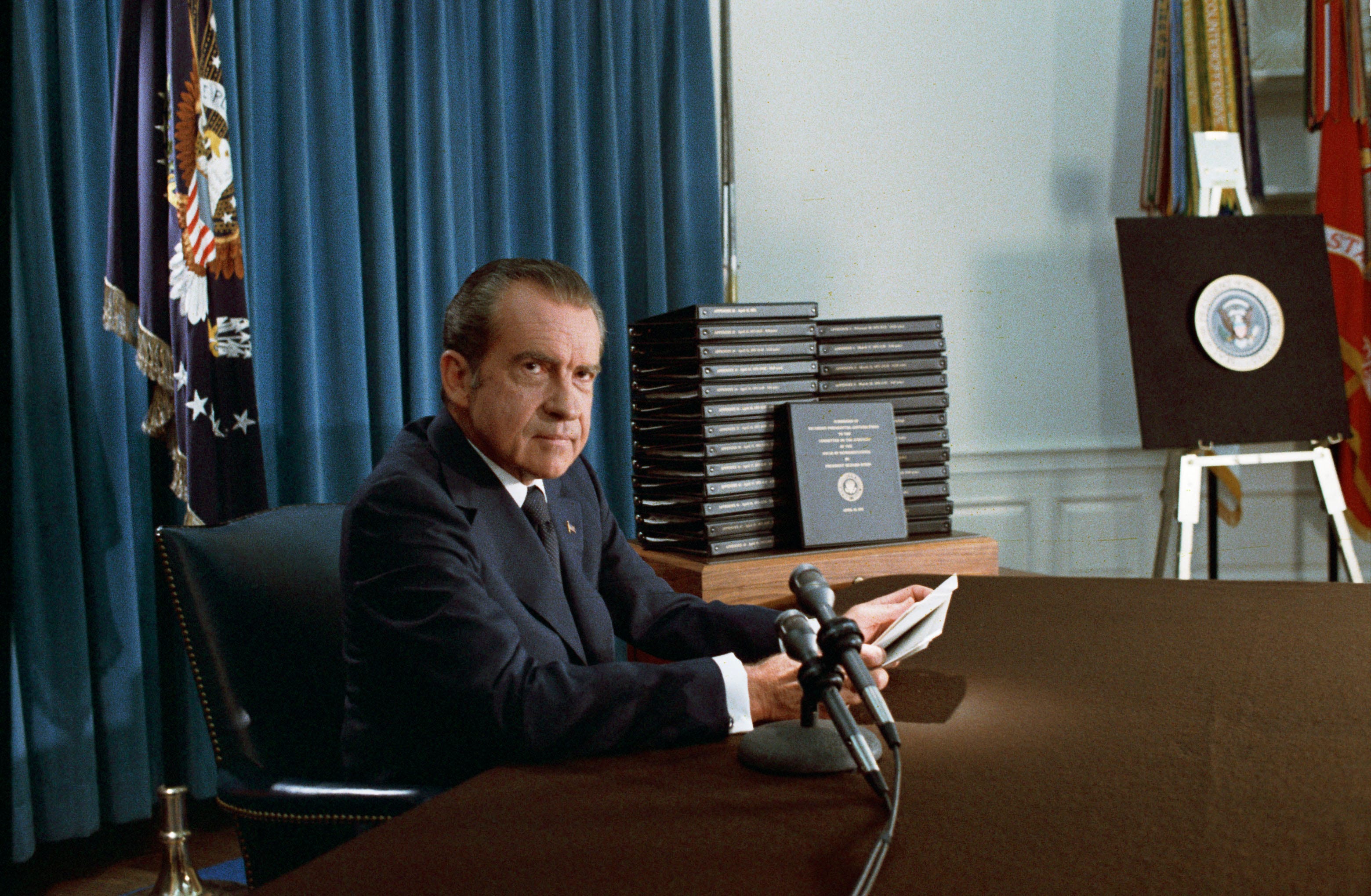
The counterculture revolution grew in the United States during the 1960s against the backdrop of an increasingly unpopular Vietnam War. Timothy Leary, a clinical psychologist at Harvard University interested in human behavioural change, heard about these curious mushrooms from a friend and made his way to Mexico to experiment for himself6. He later wrote, “In four hours… I learned more about the mind, the brain, and its structures than I did in the preceding fifteen [years] as a diligent psychologist”7. In 1967 he encouraged young people to “turn on, tune in, drop out”, warning the country’s leadership that the youth who engaged in psychedelics “aren’t going to fight your wars” or “join your corporations”8. A moral panic ensued and President Nixon declared an all-out war on drugs9. The Controlled Substances Act was introduced in 1970, outlawing psilocybin, LSD, mescaline and dimethyltryptamine (DMT) in the United States10. The UN Convention on Psychotropic Substances in 1971 extended this classification internationally11, forcing the recreational and scientific exploration of these substances into hibernation for several decades.
The legal and moral crackdown on these substances placed a taboo on their use that continues today across most of the world. And it was no different in South Africa, where I put Huxley’s book out of my mind. For all I knew, these wild substances were drugs, and drugs are bad.
An Easter Journey
In early 2015, two years before that fateful night in the jungle, the mushrooms found me. It was halfway through my audit training contract in South Africa, and I was not in a good place. My days were spent working one audit client during normal business hours, returning to the office in the evenings to wrap up another one. My mom was going through chemotherapy to try and shrink a cancerous tumour so that they could safely remove it. My relationship with who I thought would be the love of my life was slowly breaking down, phone call by phone call, over long-distance. Nothing made sense to me.
I had a minor operation and spent a week recovering at a friend’s home, reading The Shack by William P. Young. Drawing on insights from the book, I reached the limits of my reasoning mind. I understood that I was constantly trying to plan for the future because I didn’t trust that things would work out ok if I didn’t control them. And the book helped me see that trust arises out of a relationship of love. So, if I was trying to control everything because I did not trust, and if trust arises out of love, how could I feel more loved by life?
A friend of mine trained as a sangoma, or traditional healer, after high school. He worked in a crystal shop and reached out to invite me to a weekend retreat involving psilocybin mushroom ceremony. It caught my interest, but I had reservations about drugs in general and my state of mind in particular. I was planning to stay in Johannesburg over the Easter weekend initially because a quiet weekend ahead of an impending work deadline seemed like it could do me good. I didn’t accept or decline, and so his invitation remained open and my weekend remained open.
A particularly rough week at work culminated in a conversation where a colleague and I concluded that the human condition might just be one of suffering. As I drove home, I became defiant as thoughts raced through my head. There is no way that we’re alive, as unlikely as that is, to be miserable for 80 years and then die. I couldn’t accept it. And yet here was all this overwhelming sadness around and within me. I drove to see my sangoma friend and the moment I stepped into his shop a calm clarity washed over me. I couldn’t explain it in words, but I knew there was a golden thread tugging me towards the weekend retreat. I told him I would come.
I compiled an email entitled “An Easter Journey” where I detailed the series of events that led me to decide to attend a magic mushroom retreat. I wanted my close friends and family to understand why I was taking this wild leap into the unknown, in case I came back a different person.
I do not know what tonight, tomorrow or Sunday will hold. I do not know what the implications are, what the repercussions will be, what anyone will think, what I will think. And it feels exhilaratingly like life. I am nervous. I am curious. And I am naked… This journey feels like a vulnerable plunging into who I am, what I am and where I am, and therewith the nature of life itself and all the questions around it - love, God and the universe. And despite there being so little certainty around any part of it, it feels like the most resonant step I have taken towards growth in a while.
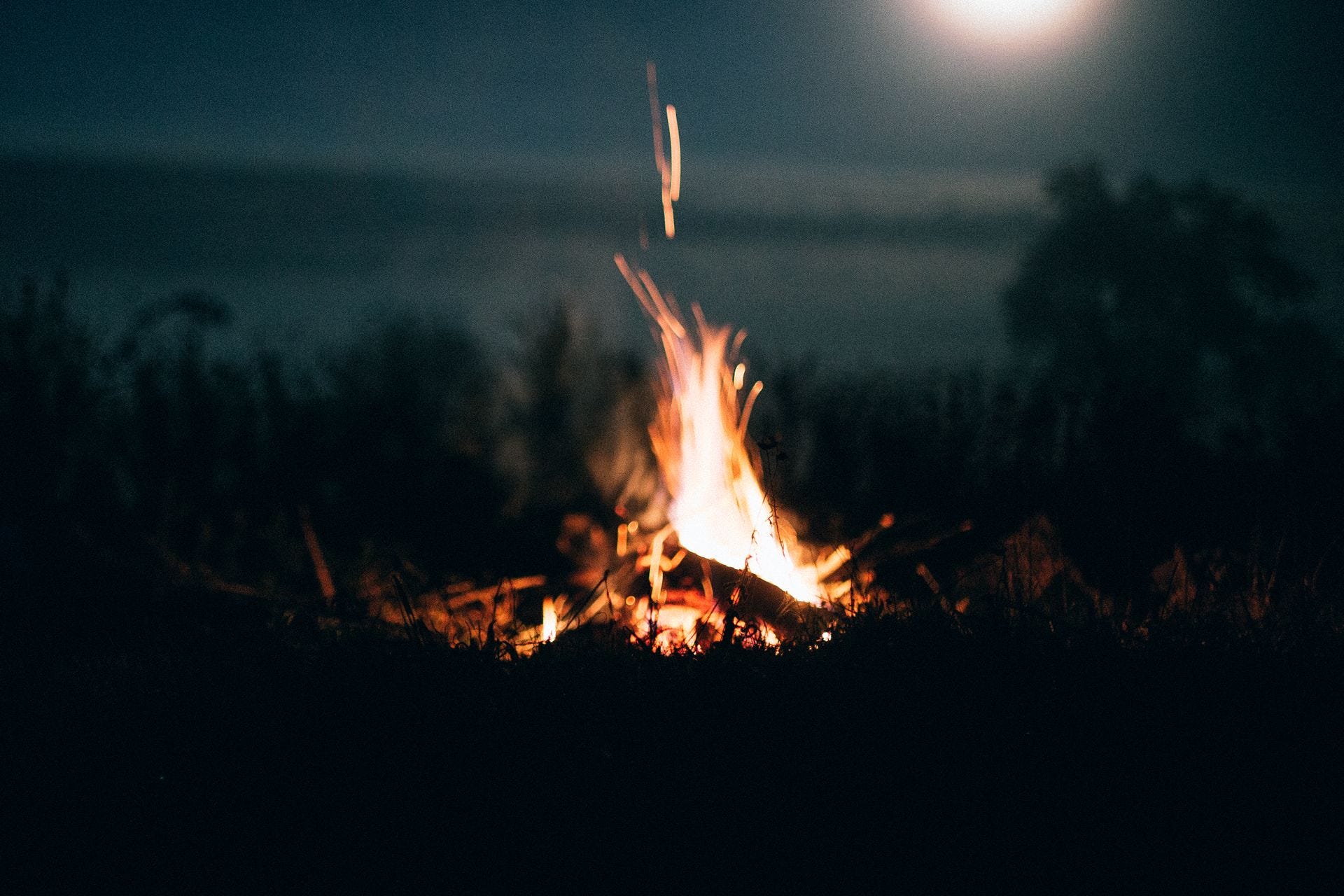
That weekend, in a field of gold alongside a great firepit underneath the Easter full moon, I participated in two high-dose facilitated mushroom journeys. My facilitating friend abstained from eating any mushrooms so that he could tend soberly to the group. He encouraged us to set clear intentions. We ate Golden Teachers, a cultivar of Psilocybe cubensis, which is a species of psilocybin-containing mushroom. What unfolded those two nights would change the course of my life. Standing underneath the full moon with tears streaming down my face, I experienced being part of infinite love and infinite understanding. At the same time, I knew what it was like to be JJ in everyday life and feel so disconnected from those things.
It is interesting that psychedelics are often referred to as “teachers”. A good teacher perturbates your worldview: exposing you to something that breaks how you understood things and leaving you with just enough to piece your frame of reference together again, different from before. They give you new data that requires a new model. My embodied experience of feeling connected to all of being was so much more powerful than any philosophical idea my mind had ever entertained. I arrived at the conviction that the spiritual domain of our human lives was real and that I wanted to explore it. I needed to find people who had maps of this fundamental, invisible territory.
On Tuesday the 7th of April 2015, two days after my first psilocybin ceremonies, I wrote the following in my journal:
The mind is silenced by an awe for everything that is fundamentally you and how it fits seamlessly together. When you know you are the sun and moon and stars… as much as you are yourself… you cannot help but marvel and live in endless wonder at what will happen next. You start to live in alignment with the… magic of everything that is unfolding in front of new eyes; eyes that for the first time begin to see.
The aftermath of my attendance was mixed. My parents were just glad I was ok. My long-distance partner was so upset; we didn’t connect for three days. When we eventually spoke, she wondered aloud how my circumstances had become so bad that I decided to turn to drugs… It was a valid way to interpret the events of that weekend.
A friend saw it differently. “JJ, society tells you to sit in a metal can in traffic each morning and drive to the office so you can work all day under fluorescent lights staring at a small screen. You’re encouraged to consume ultra processed food and sugary water, to drink alcohol for loneliness and smoke cigarettes for stress and pop tablets for pain. But… don’t you dare touch those mushrooms that grow naturally in the ground, those are bad for you!”
A whole new world
My friend wasn’t wrong, public perception is distorted. Professor David Nutt, former Chief Drug Advisor to the UK Government, released a research paper in 2010 that found alcohol and tobacco were more dangerous (in terms of harms to users and others) than illegal substances such as LSD, mushrooms, ecstasy and cannabis12. He was later fired for arguing that government drug policy was out of line with scientific evidence13. Psilocybin mushrooms are consistently ranked as the drug least likely to lead to seeking emergency medical treatment, less than both alcohol and cannabis1415. They are also not considered to be addictive, due to the intensity of the mushroom experience and the body’s quick build-up of tolerance after several days of repeated use16.
A current “renaissance” in psychedelic research is producing evidence for a range of potential benefits from using psilocybin mushrooms, including:
Use in lifting depression for both the terminally ill17 and individuals suffering from treatment-resistant depression18,
Potential use in breaking addictions, including smoking19, alcohol20 and cocaine21,
The ability to induce spiritually significant events under supportive conditions, comparable “to the birth of a first child or death of a parent”22.
So, what are these little brown mushrooms actually doing inside the body?
When psilocybin mushrooms are ingested, they catalyse a number of changes in how we attend to the world. The mushroom tissues are broken down by the stomach and intestines, releasing the psilocybin. As the psilocybin is absorbed through the intestinal wall and passes through the liver, it is metabolised into psilocin23, which then circulates through the bloodstream. The chemical structure of psilocin is very similar to serotonin24, a neurotransmitter impacting almost all human behavioural processes including mood, memory, perception and attention25. The psilocin binds with serotonin receptors in the brain, gut and elsewhere, producing a unique set of downstream effects26.
Distinct networks of neurons in the brain become “desynchronised”27, meaning that habitual patterns of firing neurons are disrupted, giving way to new patterns of connection. The default mode network, a part of the brain associated with “our sense of space, time and self”28, is particularly affected by this disruption to habitual patterns29. Other brain regions show increased activity, including limbic functions such as memory and emotion30. The altered state of information processing likely explains a person’s renewed sense of wonder at sensory experiences that are normally taken for granted. The sense of transcendence, sacredness and bliss can be understood as the dissolution of a person’s sense of individuality, as “the boundaries between self and world that the ego patrols suddenly fall away”31. Some of these changes in connectivity last for weeks32 and correlate with the increased neuroplasticity that may contribute to forming new habits.
After the Easter mushroom retreat I started regularly going to Chakradance moving meditation classes. I had been to two classes before, but I had a miserable experience during the second one and stopped going. After my psilocybin experience it was clear that the class did not cause my misery but provided a space for me to encounter the misery I was carrying. I had not appreciated the embodied practice of being with what was inside of me: the difficult feelings around my mother’s illness, the unmet needs in relationships, the unexpressed desire for meaningful work. I had learned to meditate to still the mind, and to talk through ideas about my feelings, but now a whole new world was revealing itself. I was learning to dance with my emotions instead of suppressing or being overcome by them. I was discovering what parts of me I had suppressed to navigate my childhood. I realised it was possible to strive towards wholeness of personality. My inner work had begun.
Ayahuasca Curandero Initiation Course
I was devastated when my mom passed away from her cancer in 2016 and I buried myself in my work. In the process of her dying, I became aware that the doctors could support her physical health through chemotherapy, surgery and eventually pain management, but that our medical system at the time was woefully inadequate at emotionally and spiritually supporting her. My mom came to see her cancer as a kind of teacher: it shifted her orientation to her inner world and opened her up. She found guides and healers who supported her emotional and spiritual journey towards finding peace in herself. Our family watched this miracle of personal transformation unfold. I wanted to know more about the relationship between mind and body, which had for so long been treated as separate in allopathic medicine. I was drawn to systems of medicine that braided our physical, mental, emotional and spiritual dimensions together.
I was introduced to Skye Cielita Flor, a South African woman who had spent four years working at an ayahuasca retreat, training and research organisation in Peru. We discussed her experiences, reputable centres to visit and how to approach doing a course. Soon enough I was applying to be part of the April 2017 cohort at a reputable centre33. I hesitated: diving straight into a six-week ayahuasca training with no prior experience seemed like a big leap. The course start date happened to be the same day as my mom’s birthday… it would be the first without her here. I applied and was accepted.
The ayahuasca training course felt like stepping into Hogwarts: I was suddenly transported to a place where the rules of my culture no longer constrained what was possible. It reminded me of a TED speaker’s reflections following her stays in a rural, spiritual Chinese village, “after being there for a while, and seeing the amazing things that happened, you begin to wonder whose beliefs are those that are in operation in the world, determining how things happen.”34
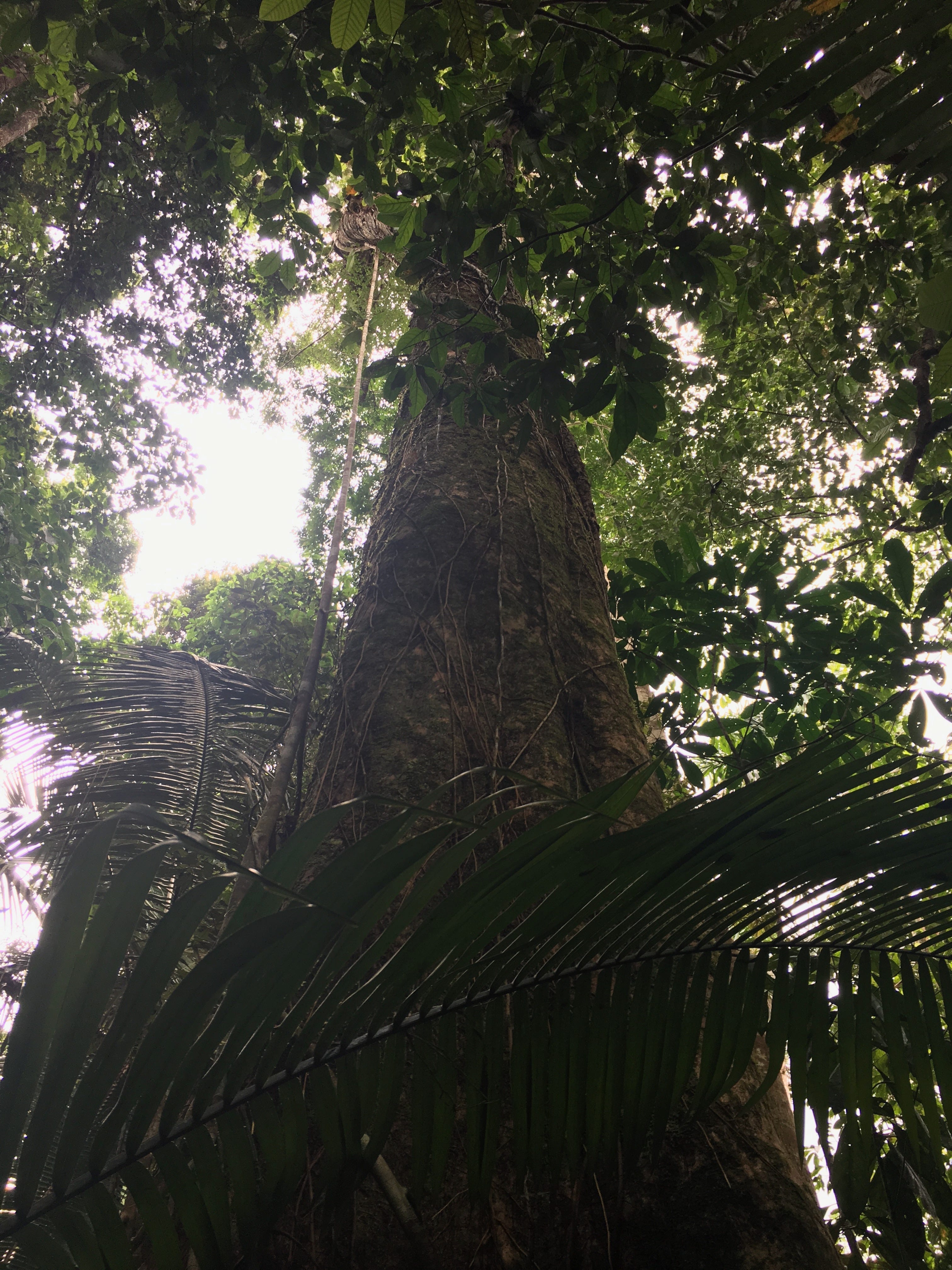
The course was based in the Amazon jungle in northern Peru, about 80 kilometres from Iquitos. We were going to study with a Shipibo curandero, a traditional healer from a lineage of indigenous people predating Spanish colonisation. He was supported by two instructors who could translate from Spanish to English and support students. 11 individuals enrolled on the six-week course, mostly from Europe and the United States, while other people cycled in and out of the centre during our time there. We were both students and participants of the Shipibo plant medicine cosmology, taking part in healing practices while learning how to facilitate them ourselves.
We were schooled in three aspects of Shipibo traditional healing.
Firstly, dietas of the trees and plants in the tradition. A dieta is the process of forming a relationship with a plant spirit. For weeks at a time, healers radically restrict their diets (avoiding salt, pork, dairy, alcohol, etc.) and abstain from a range of activities (social contact, masturbation, sex, etc.) to reduce the noise of everyday life and focus their attention on a particular plant in their spiritual cosmology. They live close to the plant, drink a tincture made of the plant’s tissue, contemplate the plant’s essence and teachings, and learn healing songs called icaros from the plant. It’s as if they allow the plant to grow energetic roots into their own bodily system, ingesting healing that they can bring to others35. A Shipibo healer’s powers are believed to be directly proportional to the number and earnestness of the dietas they have undertaken over the years.
Secondly, ayahuasca ceremony. Ayahuasca is a brown, acrid-tasting psychedelic brew made by boiling ayahuasca vine and chacruna leaves together. The chacruna leaves contain N,N-Dimethyltryptamine (DMT), a powerful psychedelic with a chemical structure also like serotonin that binds with serotonin receptors in the brain and elsewhere36. The ayahuasca vine contains monoamine oxidase inhibitors (MAOIs) which prevent enzymes in the gut and liver from breaking the DMT down as they normally would37. Neither of these ingredients works in isolation. How the Shipibo people discovered this precise combination out of the tens of thousands of Amazonian plants baffles researchers. Of course, if you ask the Shipibo the answer is simple: the plants communicated it to them. Ayahuasca ceremony involves participants drinking the brew served by the curandero, who sings icaros to impart the medicine of the plants from his or her dietas. The ceremony is both a space of healing and a space for the curandero to connect with each participant to understand their dis-ease and diagnose them.
Thirdly, treatment. Following diagnosis, the curandero prescribes a healing regimen using the jungle as his or her medicine cabinet. This could include drinking ointments, working with particular plants, eating purgatives, fasting, taking vapour baths, making dietary changes and so on.
The course was designed so that over six weeks we would:
undertake two plant dietas, forming a relationship with and learning from two plants of our choice,
participate in 20 ayahuasca ceremonies by night in a round thatched building called a maloca,
learn to facilitate ceremony ourselves by using our dietas, singing icaros and understanding how to create and hold the ceremonial space, and
experiment with a host of jungle medicines, studiously making notes about each and observing their impact on our states of being.
Early in the experience Enrique, the curandero, diagnosed that my soul wasn’t fully in my body and that I needed “soul retrieval”. While his imagery was quite unnerving, I had come across definitions characterising trauma as a disconnection from one’s body or emotions3839. The curandero’s insight also matched several patterns in my behaviour, including becoming faint at the thought of my own blood or internal bodily processes, low body self-esteem and a recurring habit of bulimia running back years.
Lost in my mind
Halfway through the course on the night I first co-facilitated a ceremony, I experienced a living nightmare. It wasn’t beautiful, inspiring or insightful – just terrifying. How do I make sense of fearing I may never wake up in my body again? What had Sophia done to calm me enough to remain to the end of the ceremony? How would I keep going in the course?
What our instructors helped me to see in the days following that ceremony was this: it was my thought. It arose and I followed it into the maze of my mind. By falling completely into the story, I lost touch with my senses and what was actually happening in the room around me. The group discussed the power of perception, using the example of seeing a round coiled thing in a dimly lit corner. If you take it to be a snake, you respond as if your survival depends on it. But what if it turns out to be a rope? In the ayahuasca ceremony where I thought my soul was being taken away, I had come to take my story as true, overriding all other possible evidence and distorting my perception of reality. I had lost my way in my own mind. I read an anecdote that the indigenous bushmen of Southern Africa slept with an ear to the ground so that they would only react to real dangers (like the footsteps of a predator) and not imagined ones. The whole experience made me realise that my mind had told stories of fear my entire life, and that assuming them to be true could make a hell out of any circumstance.
Over the remaining three weeks I continued with the course, and I’m so grateful that I saw the process through. I learned to ground myself in ceremonies and to return through my senses when my thoughts strayed into fear. I found so much compassion for the events in my life, including losing my mom. I began to perceive the grey space between my black and white thoughts, inhabiting my body and appreciating its beauty and wisdom. I felt the larger purpose of my business qualification that had felt so soulless. Finally, I witnessed people healing their hearts and learnt how this could support the health of their bodies.
On Sunday the 4th of June 2017, the final day of the course, I wrote the following prayer towards the back of the journal I had kept throughout the six weeks:
Allow me to integrate the totality of this experience,
to nurture my heart, spirit, body and mind…Help me to trust,
To reside in my heart…Jurie Jean,
This was all real.
I didn’t know what awaited me on the other side of the course in the jungle, but I knew I’d visited a different world – one I had to hold onto.
The work begins
After returning to my life in South Africa, the tide of old habits slowly came back in: struggling to relate healthily with food, avoiding vulnerability in romantic relationships, the performative song and dance of corporate work. How could I hold onto what had happened in the jungle without the experience becoming an escape from life in its full messiness?
I was guided to see my psychedelic insights as lighthouses illuminating what is possible, shining bright to help me navigate especially in times of darkness. It was possible to operate from love, to trust in that which supersedes rational understanding, to forgive without understanding why something has happened. It was possible to experience all of that in my day-to-day life. However, I’d constructed a life for myself based on a very different set of beliefs. I treated my body in ways that undermined my worthiness to feel vibrant and healthy, reinforcing my shame. I habitually chose long-distance relationships to avoid the vulnerability that comes with proximity, thereby closing the possibility of being fully seen and fully loved. I’d found my way to work environments where I had to be someone else to succeed and had become really good at it.
The real work is slow, gritty, ordinary. It is looking in the mirror that situations reveal about where I am operating from, knowing that it is possible to bask in the sun but that first I need to discover all the ways I’ve collaborated in keeping myself in the shade. It is holding the creative tension between where I am and where I desire to be, making choices from love and not fear. It is knowing that each step towards my potential involves letting go of another part of me that is too small to contain the experiences I truly desire. I have heard this real work called “personal development”, or “inner work”, or “spiritual growth”, and I’m convinced there is little else that allows you to have genuinely new emotional experiences.
As Jung is so eloquently paraphrased, “Until you make the unconscious conscious, it will direct your life and you will call it fate.”
Facilitation
I came back from Peru ready to support others on their journeys towards wholeness. Ayahuasca, with its cultural and historical context, felt outside of my gift to give. Psilocybin mushrooms, on the other hand, grow across much of the Earth and have spores in a variety of cultural contexts. I thought I understood the phases of a psychedelic experience enough to help friends create a container to travel to the depths of their consciousness and bring back treasures for their waking lives. As I began to accompany people in their journeys, I frequently experienced moments of doubt, wondering whether advocating for the ceremonial use of psychedelics was crazy. And yet each time I witnessed someone come to a profound realisation or weep their grief or recover their compassion or find the peace to sleep, I became convinced that alongside its extraordinary potential in mental health and addiction, psilocybin mushrooms could support what Bob Jesse called “the betterment of well people”40.
I learnt through time that a facilitator’s role has four important aspects.
The first aspect is to ensure that a potential participant understands the workings and risks of psilocybin so that they are not placing themselves in danger. This evaluation should make it clear that there are physical conditions and hereditary mental illnesses that rule out psychedelic use for certain individuals. Psilocybin should not be stepped into lightly, and it is not for everyone. There are many paths up the spiritual mountain.
The second aspect of facilitation is preparing a person psychologically to skilfully navigate the experience they are going to undertake. The word “psychedelic” was coined in the 1950s by combining two originally Greek terms that together mean “mind manifesting”41. A journey can be understood as an acute manifestation of self, a microcosm of the world we construct for ourselves through our perception, beliefs and narratives. A person who earnestly approaches ceremony with a felt intention and an openness to the shift in habitual thinking that psilocybin occasions, could perceive their whole way of being in a different light. In this context, a “bad trip” might be the most profound catalyst for understanding the fear, anger, shame or grief that haunts beneath the surface of that person’s “functional” life. But to do that, they need to see that if their demons are chasing them, it is not that the experience is bad, but rather that they are being invited to ask, “what am I running from?”. When a person can be with whatever arises, there is nothing to fear from encountering themselves.
That’s the mindset in “set and setting”.
The setting for the journey is the third aspect of facilitation. Working in space: a person should be somewhere safe, private, preferably in nature, accompanied by the facilitator to guide them through the experience and help them surrender to what arises in them. Working in time: ceremonies are typically conducted using rituals that indicate thresholds: the beginning, important inflection points and the end. Tapping into our ancestral inclination to acknowledge significant boundaries in space and time can powerfully attune a person to the present.
The final aspect of facilitation is to support a person to integrate their journey back into their everyday lives. That person may have others to talk to or no-one to share their experience with. They may have unexpected emotional reactions to previously mundane daily realities. They may want to make sweeping changes or edge towards better habits. The psychedelic experience is only useful if the seeds of embodied change can take root when a person returns to their habituated environment – the facilitator can help them create ideal conditions for growth. This is an immense privilege and responsibility. It is often overlooked.
Increasingly there are places in the world where accredited facilitators can support individuals on psychedelic journeys. Unfortunately, in most countries the legal status of psilocybin still forces practitioners and participants underground. This makes it difficult to assess the integrity of a facilitator beforehand or seek accountability for the still too-many abuses that occur when a participant is in the midst of a vulnerable journey. A person exploring psilocybin ceremony should only work with a facilitator that they personally trust: these journeys can bring out what is most sacred and what is most shameful in a person. Any red flags or uneasy gut feelings about the facilitator, the ceremony or the substance is cause to pause or walk away. Even when the legal pathways to this work open, a participant ultimately must take responsibility for discerning what is safe for the development of their consciousness.
In 2025, I participated in a legal retreat in the Netherlands42, where psilocybin-containing truffles fall into a regulatory gap. It was the first time I had been facilitated in years, and I was hugely encouraged by the experience. The integrity, love and care poured into the offering reflected the profound personal experiences that had brought each of the facilitators to this work. The medical and psychological screenings, the doctor on site, and the collective experience of the team created an atmosphere of professional safety without over-medicalising the process or downplaying the foundational importance of your subjective experience in reaping benefit from a psilocybin journey. We were prepared thoroughly for the potential profundity of the ceremony, guided caringly and respectfully through it, and convened to reflect on and reinforce the changes we were implementing in our lives because of it. Surrounded by other participants, each carefully held amid their own questions about life, love, change, healing and meaning, I glimpsed a potential future in which psychedelics played a role in evolving the capacity of our species to connect with our selves, one another and the more-than-human world.
On Sunday the 7th of December 2025, the day the retreat ended, I captured the following decision and commitment:
I choose love on this earth.
The journeys ahead
We are living in an extraordinary time of potential and uncertainty. We are witnessing the creaking collapse of the systems that have propagated an unprecedented explosion in technology and prosperity while undermining the conditions for life on Earth. At the same time, we are called to participate in creating new systems to bring us back into harmony with the more-than-human world so that we might save ourselves. There are three reasons why partnering with psilocybin mushrooms could bear fruit.
First of all, most psilocybin mushrooms are saprotrophic, meaning that they decompose dead wood, leaves, dung and other organic matter4344. Fungi are the great recyclers of energy and matter. This cyclical perspective could help us to stop clinging to familiar structures that have ceased serving us and start imagining what we can create in their place. “Everything around you that you call life was made up by people… And you can change it”45. Working with mushrooms can help us to recreate our lives, releasing and drawing nutrients from what came before.
Secondly, psychedelics bring us out of the habituated thought patterns that bind us to old ways of being, allowing us to see the world anew. As Michael Pollan explains,
“Psychologists often talk of two kinds of consciousness. There is spotlight consciousness, which is very directed. We aim our attention at something, and we think about it, and that’s a very powerful tool. And then there’s this other kind of consciousness associated with young children, and that’s lantern consciousness. And instead of illuminating that one fixed point, they’re illuminating everything… It’s as if you’ve cleaned the window, and you can see more clearly… You’re reminded about the world and its wonders in a way you may well have forgotten.”46
Seeing our lives and the world around us through different eyes can soften the grip of our fearful need to control and the system of extraction we’ve created with it, inviting new habits and new creations formed from love.
Thirdly, people who have journeyed specifically with psilocybin report a closer affinity with the natural world following their experience, in some cases reporting this up to two years later47. Researchers hypothesise that ego dissolution causes participants to feel “external unity” when the boundary between them and nature falls away48. It is unclear why this happens with psilocybin and not other psychedelics49. In an age where we routinely overlook the only other lifeforms we’re aware of (in the observable universe!) while taking steps to colonise space and introduce artificial intelligence, it might do us well to shake our hubris and work with nature to become trustworthy custodians of the Earth, and perhaps beyond. The mushrooms seem to remind us of the web of life we’re part of and sustained by.
There are several real hazards we must keep sight of as we spread the conscious use of psilocybin.
We need to invest in the community infrastructure we’ve hollowed out through western hyper-individualism, so that a rich mycelium between people can support them through their times of transition (whether psilocybin-induced or not). If we approach these fungi with the same extractive mindset that got us into this mess, we’ll create more harm than good. Rosalind Watts was once an advocate for the psychedelic movement50 before changing course to cultivate community infrastructure instead51. She writes,
“…when we insert psychedelics into capitalist, materialistic western culture, with no intact lineage to a tradition of grounded psychedelic use and no social structures to support healthy integration, psychedelics may actually amplify the problems we hoped they would solve…”52
We need to find a middle ground between pharmaceutical gatekeeping and unregulated free-for-all, to maximise benefits and minimise harms for individuals, society and nature. Colorado’s facilitated-access model is an early example of trying to strike this balance53 and includes genuine decriminalisation, trained facilitators, licensed centres, flexible settings and explicitly equitable access. It seems unconscionable to require either a doctor’s prescription or wealth to access mushrooms that grow for free in the ground and have been used for thousands of years to guide humans on their paths.
We need to meet the plants on their own terms, a relationship that has been safeguarded by indigenous practitioners for millennia. As Ecuadorian Kuthoomi Castro, someone who has followed the Curanderismo path since childhood, warns,
“[I]t’s not a renaissance for us as indigenous people. It’s a renaissance only for western people.”54
“We open our medicines to you to heal, not to take, not to extract… The same happened to tobacco; now it causes cancer. The same happened to opium; now it causes addiction. The same happened to coca, now cocaine causes a lot of harm. Please look at the cycle of colonisation and how this continues to happen.”55
As a friend and mentor put it simply,
“The medicine offers freedom and liberation – it doesn’t want to be put in a box.”
We need to remain clear-eyed about both the risks and benefits of working with psilocybin to avoid curtailing this collaboration. The growing enthusiasm around the “shroom boom” has already led to documented cases – in both clinical settings and underground – of risky oversights and abuses of power. This reckless behaviour and the legal precarity for victims create situations in which seeking accountability and even speaking up can be challenging.56
If we can get this human-mushroom partnership right, there is much that I hope for.
I dream of a future where others can rediscover the magic, awe and wonder of life and the natural world we’ve always been part of but have neglected.
I dream that individuals whose paths lead to psilocybin mushrooms will find the emotional healing and psychological motivation to pursue the inner work that can transform their lives from the inside out.
I dream of groups of people coming together to shift our world by combining facilitated psilocybin journeys with systems change, creating new patterns as participants transform how they relate to themselves, one another and the world around them.
Can magic mushrooms evolve human consciousness?
Yes, I believe so.
Afterword
Thank you for walking through the wilderness with me. In the next essay I’ll be tracing the way that nature slowly woke me from my nightmare of burnout, meaninglessness and isolation, to co-create a different future. Next time our wild idea is: are we living in the Earth’s dream?
If this work resonated with you, subscribe and share it with others. Spread the love.
Acknowledgements
A huge thank you to:
Storm for your feedback on an earlier draft
Leigh and Lesanne for encouraging, shaping and reviewing this series
Phillip-Jan van Zyl for his beautiful piano collection “Spiral” (in the audio version)
Louise for guiding my way to inspired creativity
My partner Ash for your love and support throughout this project
The incredible plants and facilitators who shaped my journey
The many wonderful humans who inspired these words through our conversations.
Further attribution:
Ewing, S. (2022) Extreme close up of a mushroom. [photograph] Pexels. Available at: https://www.pexels.com/photo/extreme-close-up-of-a-mushroom-12434433/ (Accessed 16 September 2026).
National Archives and Records Administration (1974) President Nixon, with edited transcripts of Nixon White House Tape conversations during broadcast of his address to the Nation, 29 April. [photograph] Roll-frame WHPO C1269-20. Wikimedia Commons. Available at: https://commons.wikimedia.org/wiki/File:Nixon_edited_transcripts.jpg (Accessed 16 September 2026).
Kutsan, V.V. (2022) Bonfire at night. [photograph] Pexels. Available at: https://www.pexels.com/photo/bonfire-at-night-11648919/ (Accessed 16 September 2026).
Weber, L. (2024) A close up of a wave in the ocean. [photograph] Pexels. Available at: https://www.pexels.com/photo/a-close-up-of-a-wave-in-the-ocean-27294867/ (Accessed 16 September 2026).
Elsner, D. (2026) Silhouette of tree under a starry night sky. [photograph] Pexels. Available at: https://www.pexels.com/photo/silhouette-of-tree-under-a-starry-night-sky-35609858/ (Accessed 16 September 2026).
Tommes Frites (2025) Close up of mushroom on mossy forest floor. [photograph] Pexels. Available at: https://www.pexels.com/photo/close-up-of-mushroom-on-mossy-forest-floor-34220322/ (Accessed 16 September 2026).
Music by Kyle Preston, Master Minded, Yehezkal Raz, Martin Puehringer as well as sound effects under licence from Artlist (in the audio version)

Some of the names in this piece have been changed to anonymise individuals.
Wild Ideas is produced by JJ van de Vyver. Views expressed are mine alone and don’t represent my clients or any organisations I’m affiliated with. Nothing here is professional advice of any kind.

Pollan, M. (2018) How to change your mind: what the new science of psychedelics teaches us about consciousness, dying, addiction, depression, and transcendence. New York: Penguin Press.
Rosado van der Gracht, C. (2025) The legacy of María Sabina, beyond hippie counterculture. [online] Yucatán Magazine. Available at: https://yucatanmagazine.com/maria-sabina/ (Accessed 13 April 2026).
Wasson, R.G. (1957) Seeking the magic mushroom. Life, 42(19), pp. 100–102, 109–120.
4. Wasson, V.P. (1957) I ate the sacred mushrooms. This Week Magazine, 19 May, p. 8.
See Note 1 above
Leary, T. (1990) Flashbacks: a personal and cultural history of an era. New York: Jeremy P. Tarcher/Putnam.
See Note 6 above
See Note 1 above
See Note 6 above
Beckley Foundation (2017) Psychedelic research timeline. [online] Available at: https://www.beckleyfoundation.org/psychedelic-research-timeline-2/ (Accessed 17 May 2026).
Bergkvist, M. and Johnson, B. (2026) How psychedelics came to be placed under the strictest international control. [online] Drug Science. Available at: https://www.drugscience.org.uk/how-psychedelics-came-to-be-placed-under-the-strictest-international-control (Accessed 17 May 2026).
Nutt, D.J., King, L.A. and Phillips, L.D. (2010) Drug harms in the UK: a multicriteria decision analysis. The Lancet, 376(9752), pp. 1558–1565.
Cressey, D. (2009) Nutt dismissal in Britain highlights diverging drug views. Nature Medicine, 15(12), p. 1337.
Winstock, A.R. (2019) Global Drug Survey 2019 key findings report: executive summary. [online] London: Global Drug Survey. Available at: https://www.globaldrugsurvey.com/wp-content/themes/globaldrugsurvey/results/GDS2019-Exec-Summary.pdf (Accessed 17 May 2026).
Winstock, A.R., Maier, L.J., Zhuparris, A. et al. (2021) Global Drug Survey (GDS) 2021 key findings report. [online] London: Global Drug Survey. Available at: https://www.globaldrugsurvey.com/wp-content/uploads/2021/12/Report2021_global.pdf (Accessed 17 May 2026).
Drug Policy Alliance (2017) Facts about psilocybin mushrooms: we need a health approach to psilocybin mushrooms. [online] Available at: https://drugpolicy.org/wp-content/uploads/2023/05/2023.04.05_psilocybin_factsheet.pdf (Accessed 17 May 2026).
Griffiths, R.R., Johnson, M.W., Carducci, M.A. et al. (2016) Psilocybin produces substantial and sustained decreases in depression and anxiety in patients with life-threatening cancer: a randomized double-blind trial. Journal of Psychopharmacology, 30(12), pp. 1181–1197.
Andrade, F.R.T., Buchborn, T., Thalheimer, G. et al. (2025) Therapeutic use of psilocybin in depression: a systematic review of clinical evidence. Acta Neuropsychiatrica, 37, e86.
Johnson, M.W., Naudé, G.P., Hendricks, P.S. et al. (2026) Psilocybin or nicotine patch for smoking cessation: a pilot randomized clinical trial. JAMA Network Open, 9(3), e260972.
Bogenschutz, M.P., Ross, S., Bhatt, S. et al. (2022) Percentage of heavy drinking days following psilocybin-assisted psychotherapy vs placebo in the treatment of adult patients with alcohol use disorder: a randomized clinical trial. JAMA Psychiatry, 79(10), pp. 953–962.
Hendricks, P.S., Lappan, S.N., Shelton, R.C. et al. (2026) Psilocybin in the treatment of cocaine use disorder: a randomized clinical trial. JAMA Network Open, 9(5), e2611029.
Griffiths, R.R., Richards, W.A., McCann, U. et al. (2006) Psilocybin can occasion mystical-type experiences having substantial and sustained personal meaning and spiritual significance. Psychopharmacology, 187(3), pp. 268–283.
Nichols, D.E. (2020) Psilocybin: from ancient magic to modern medicine. The Journal of Antibiotics, 73(10), pp. 679–686.
Nichols, D.E. (2016) Psychedelics. Pharmacological Reviews, 68(2), pp. 264–355.
Berger, M., Gray, J.A. and Roth, B.L. (2009) The expanded biology of serotonin. Annual Review of Medicine, 60, pp. 355–366.
See Note 24 above
Siegel, J.S., Subramanian, S., Perry, D. et al. (2024) Psilocybin desynchronizes the human brain. Nature, 632(8023), pp. 131–138.
See Note 27 above
See Note 27 above
See Note 1 above
See Note 1 above
See Note 27 above
Offered by the Ayahuasca Foundation (https://www.ayahuascafoundation.org/)
Tan, A. (2008) Where does creativity hide? [online video] TED. Available at: https://www.ted.com/talks/amy_tan_where_does_creativity_hide (Accessed 17 May 2026).
Cielita Flor, S. (2016) The sacred shamanic practice of dieta. [online video] Plant People – from Entheogens to Awakening. Available at:
(Accessed 17 May 2026).
Ruffell, S., Netzband, N., Bird, C. et al. (2020) The pharmacological interaction of compounds in ayahuasca: a systematic review. Brazilian Journal of Psychiatry, 42(6), pp. 646–656.
See Note 36 above
Maté, G. and Maté, D. (2022) The myth of normal: trauma, illness, and healing in a toxic culture. New York: Avery.
van der Kolk, B.A. (2014) The body keeps the score: brain, mind, and body in the healing of trauma. New York: Viking.
See Note 1 above
Osmond, H. (1957) A review of the clinical effects of psychotomimetic agents. Annals of the New York Academy of Sciences, 66(3), pp. 418–434.
Facilitated by the Evolute Institute (https://evolute-institute.com/)
Bradshaw, A.J., Ramírez-Cruz, V., Awan, A.R. et al. (2024) Phylogenomics of the psychoactive mushroom genus Psilocybe and evolution of the psilocybin biosynthetic gene cluster. Proceedings of the National Academy of Sciences, 121(3), e2311245121.
Stamets, P. (1996) Psilocybin mushrooms of the world: an identification guide. Berkeley: Ten Speed Press.
Popova, M. (2011) The secret of life from Steve Jobs in 46 seconds. [online] The Marginalian. Available at: https://www.themarginalian.org/2011/12/02/steve-jobs-1995-life-failure/ (Accessed 17 May 2026).
Pollan, M. (presenter) (2022) How to change your mind, Chapter 1: LSD. [streaming series] Directed by A. Ellwood and L. Walker. United States: Netflix.
Forstmann, M., Kettner, H.S., Sagioglou, C. et al. (2023) Among psychedelic-experienced users, only past use of psilocybin reliably predicts nature relatedness. Journal of Psychopharmacology, 37(1), pp. 93–106.
See Note 47 above
See Note 47 above
Watts, R. (2017) Can magic mushrooms unlock depression? [online video] TEDx Talks. Available at:
(Accessed 17 May 2026).
ACER Integration (2026) ACER Integration: psychedelic integration for lasting connection. [online] Available at: https://acerintegration.com/ (Accessed 17 May 2026).
Watts, R. (2024) Love and grief in the shadow of psychedelic narcissism. [online] Medium, 11 April. Available at: https://medium.com/@DrRosalindWatts/love-and-grief-in-the-shadow-of-psychedelic-narcissism-f142ae953a27 (Accessed 17 May 2026).
Caraccio, M., Cheung, K., Porsdam Mann, S. et al. (2025) Psychedelics beyond medicine: treatment, enhancement, hype, consent, and the limits of medicalization. Philosophical Psychology, 38(7), pp. 3340–3383.
Lee, J. (2023) ‘I was shaking and trembling’: 5 questions for Indigenous protester Kuthoomi Castro. [online] The Microdose, 10 July. Available at: https://themicrodose.substack.com/p/i-was-shaking-and-trembling-5-questions (Accessed 25 May 2026).
BobCool7 (2023) Protesters interrupt Rick Doblin at MAPS Psychedelic Science 2023 closing ceremony. [online video] YouTube. Available at:
(Accessed 25 May 2026).
See Note 52 above
Thank you for sharing.
I’ve had a similar experience with psilocybin this year and it’s created in a big shift for me as well.
My best!