

What if Mommy healed her past?
Welcome to the wilderness. My name is JJ van de Vyver and I’ll be your guide on the series where we explore ideas so wild they might just work.
I’ve walked away from everything I was taught measured success – impressive qualifications, high-powered job and playing by the rules – called by the feeling that the way we organise society isn’t working. The stakes are high and time is short. A new future is calling – we need to question how we do things and trust nature to guide the way. Welcome to Wild Ideas.
Today I’d like to share a personal essay with you about the power of stories, how trauma is passed between generations, and what it takes to heal. This is the third of five essays in this introductory series, where I’m leading you through my inner world so that we understand one another before setting off into the wilderness together. If you missed any of the previous instalments, have a read below:
Today’s wild idea: what if Mommy healed her past?
This essay contains an account of my mother’s journey with cancer that might be difficult for some readers. Please proceed with caution.
A story about a stone
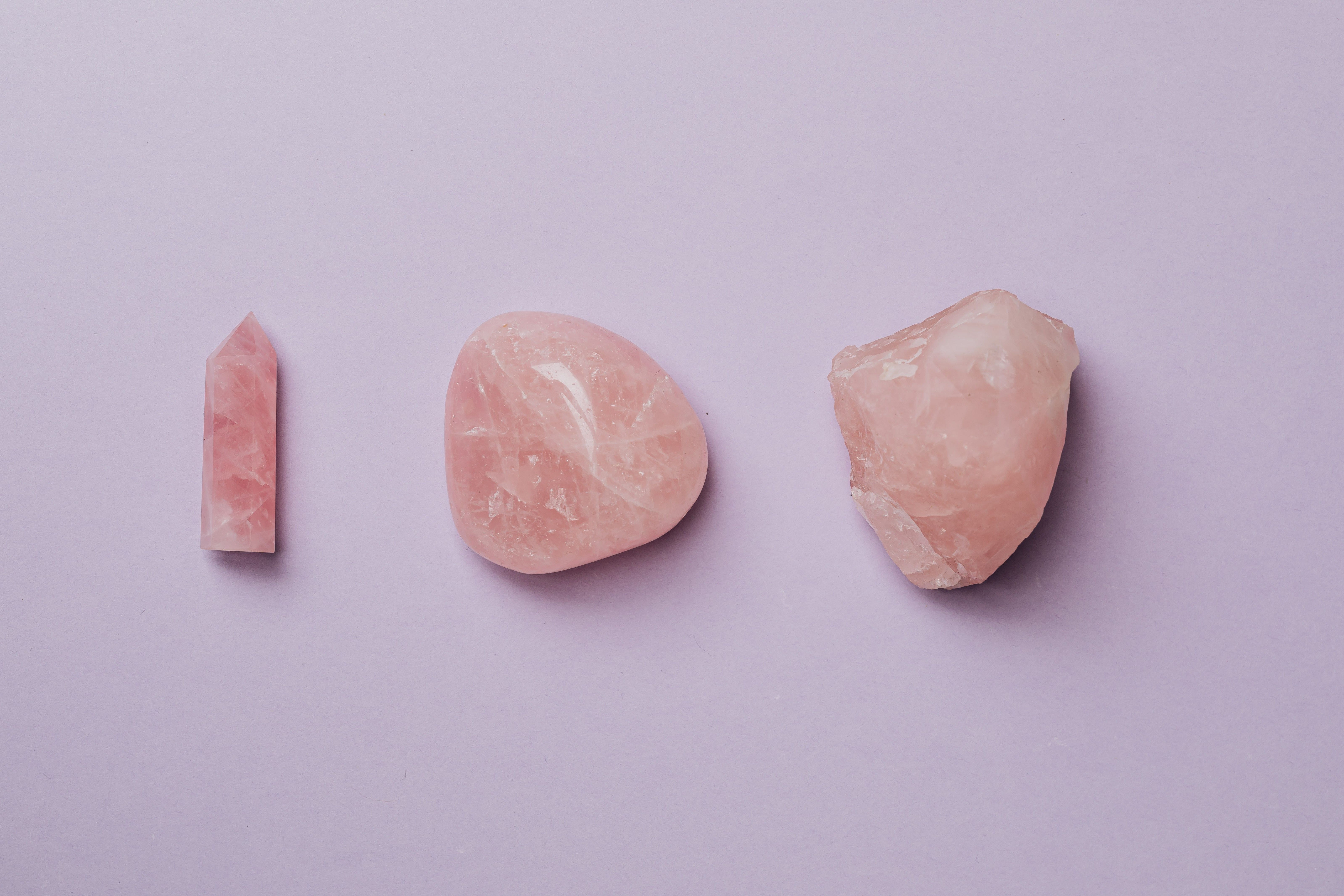
This is a story about a stone: rose quartz. Rose quartz ranges in colour from translucent to opaque pink. Sometimes the stones are closer to white, and sometimes they are deep pink almost like a ruby. You’ve likely come across them, fashioned and polished into the shape of an angel or a heart, or rough chunks of it in a shop or museum. In esoteric circles the stone is associated with love, with the heart, and – as I came to find out with time – with healing childhood trauma.
Our story begins in 2011 when Heike got sick. The cancer first formed in her colon and required an operation and months of chemotherapy. This was while I studied many kilometres away at university and my brother was still in high school. My mom shielded me from the severity of her disease and experience, and I only found out later how close she had come to death. Describing her time in hospital and the ICU, she exclaimed that she “felt like a queen” with the nursing staff and her friends organising around her every need. So striking was the contrast with her everyday life, where she took care of everyone else, that she told me about a close friend who forebodingly warned her “don’t get used to this”. On the other side of her recovery she returned, somewhat anticlimactically, to the daily school lifts and the piles of laundry and the endless cooking that formed part of her assumed role. She reflected later that this hospital experience of heightened care contradicted her sense that, in her own words, “I always had the feeling I was not always worth it”. Things in her life wouldn’t change just yet, but her body was already saying “no”. The cancer was in remission, for now.
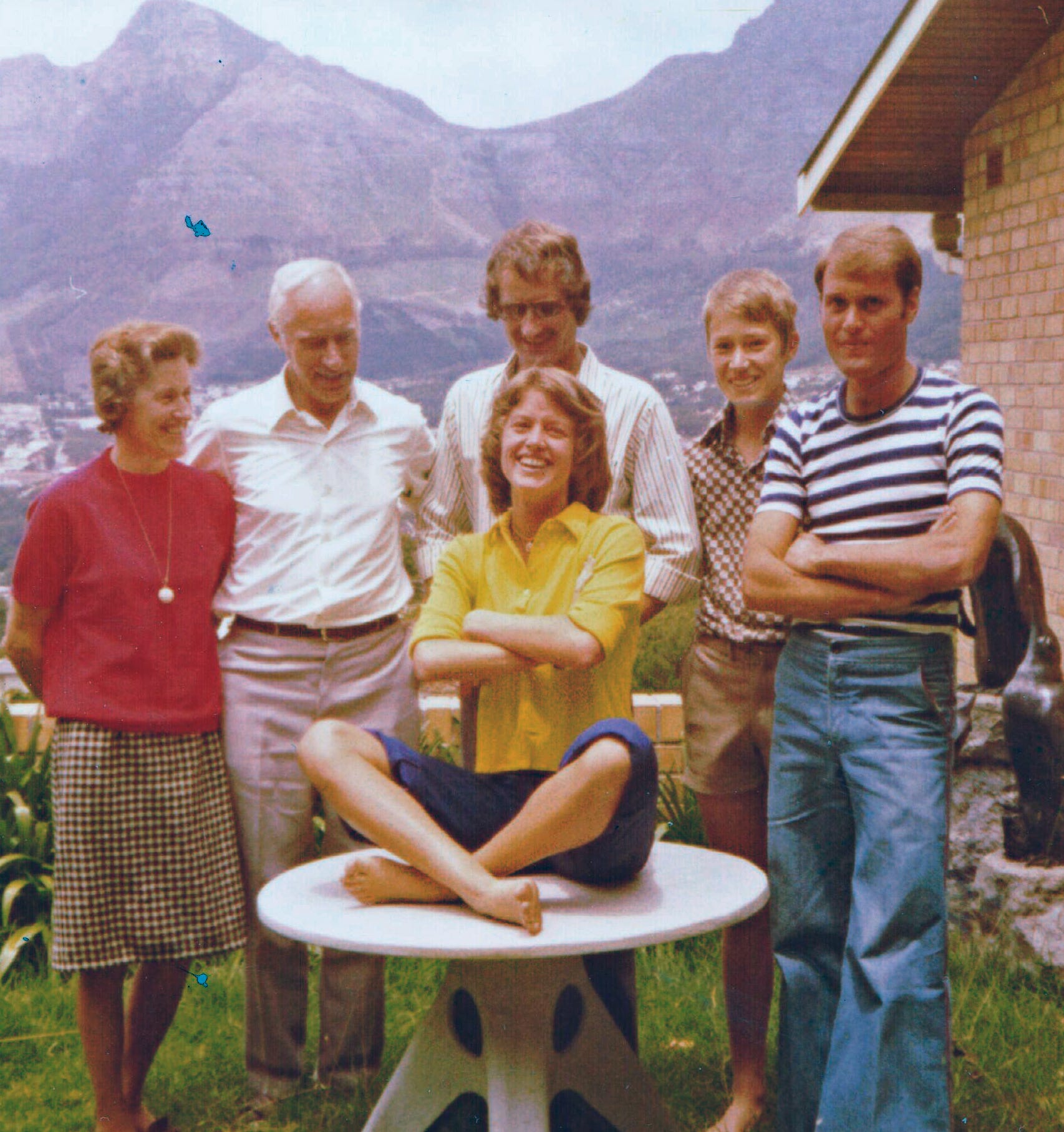
Heike Rothauge
Who was my mother? I find it hard to say with any real confidence because it has been such a long time now: only fragments of fragments remain. It’s hard to see a relationship from inside it.
My mom Heike was born on the 23rd of April 1957 in the country now called Namibia. Back then it was still being administered by South Africa. Heike’s father Heinrich was born in Windhoek to German parents. Her mother Hilde had come to what was known as South-West Africa after she married Heinrich and their first child was born, Heike’s oldest brother. She was one of four children, the only girl. The family was based in Cape Town, South Africa from 1967, when Heike was ten.
My mom was the first person to give me a crystal, though it was clear quartz and not rose quartz. She bought my brother and I each a quartz crystal on a rope necklace, for “guidance and protection”. Heike wasn’t religious but would have described herself as spiritual. As she grew older, she explored these interests with a great openness and wonder. Nothing was inherently taboo, perhaps a remnant of her rebellious teens in defiance of her strict father. She was open to receive the world, crystals and all.
It was really important to Heike that my brother and I treat all people as human beings. Growing up in post-Apartheid South Africa there were wide disparities in working opportunities sustained by deep historic injustice. I remember the exact staircase we were walking down when she prompted my brother and I to greet the gardener coming the other way and explained why it was important to be respectful of any person we ever met, period. She worked hard to wipe away the stains of racial prejudice that had seeped across generations, particularly in the country of our upbringing.
At home in Johannesburg we had a round dining-room table, and we ate dinner together every evening. We had our set places in two formations: one when our dad was home and the other when he was away with work. We also had our dedicated spots on the couches for Friday night reality TV, including the cats (who generally had a pair of legs they gravitated towards). Heike also always had a secret stash of Haribo Gold Bears that she left for weeks so that they were hard and chewy when we ate them.
My friends would receive lectures in the car to school – about the importance of work ethic, or treating other people with respect, or being honest and truthful – just as often as I would. That said, our home became a refuge for my friend circle in our exploratory teenage years: we could always count on coming home to crash on mattresses and waking up to the smell of a hangover-curing eggs and toast. Heike invariably also drew us into the support she offered at our school, from wrapping textbooks at the school shop to selling drinks at the tuck shop to helping out on hot dog days.
My mom vowed to only ever give my brother and I three hidings on our backsides if we misbehaved and endeavoured to make sure that we always understood why we were being punished. She drew this boundary in her own parenting after seeing the seemingly arbitrary and excessive physical harms her father exacted against her siblings. On one occasion she was so disturbed by his violence that she had to be talked out of reporting him to the police. This incremental change was just one of the ways that she chose something different for her children.
It was important to my mom that we perform well academically, and so we enlisted in Kumon extra maths from a young age and continued with it throughout primary school. I have a lingering distaste for those books of practice examples and her steadfastness that we do them. She had seen her father stress over finances and spent much of her own life doing the same. For example, she bore the brunt of requesting extensions to school fee payments as my dad patiently awaited income from his overdue clients. My brother and I could do what we wanted in our lives once we were ok in work that generated income, but until then we needed to perform.
Heike yearned to return to Cape Town for much of our lives in Johannesburg. When they moved to Johannesburg, my dad Jurie promised that they would only be there for a year. Over twenty years later, his work continued to keep them there. I am more like my mom in many ways: I want to make sense of things by talking about them, I have big feelings that lift me high and drop me low, I love to connect with people and will strike up conversations and ask strangers questions. Because of this, I always found it easier to take my mom’s perspective, blaming my dad for a long time for the misgivings in their relationship. It was only later that I could see their dance as a mutual one. Heike craved being worthy of love, and Jurie craved being seen and appreciated. She couldn’t see the stable loyalty he offered, and he couldn’t find the safety to share his inner life, and over time they passed each other like ships in the night. But they always remained friends, that they never lost.
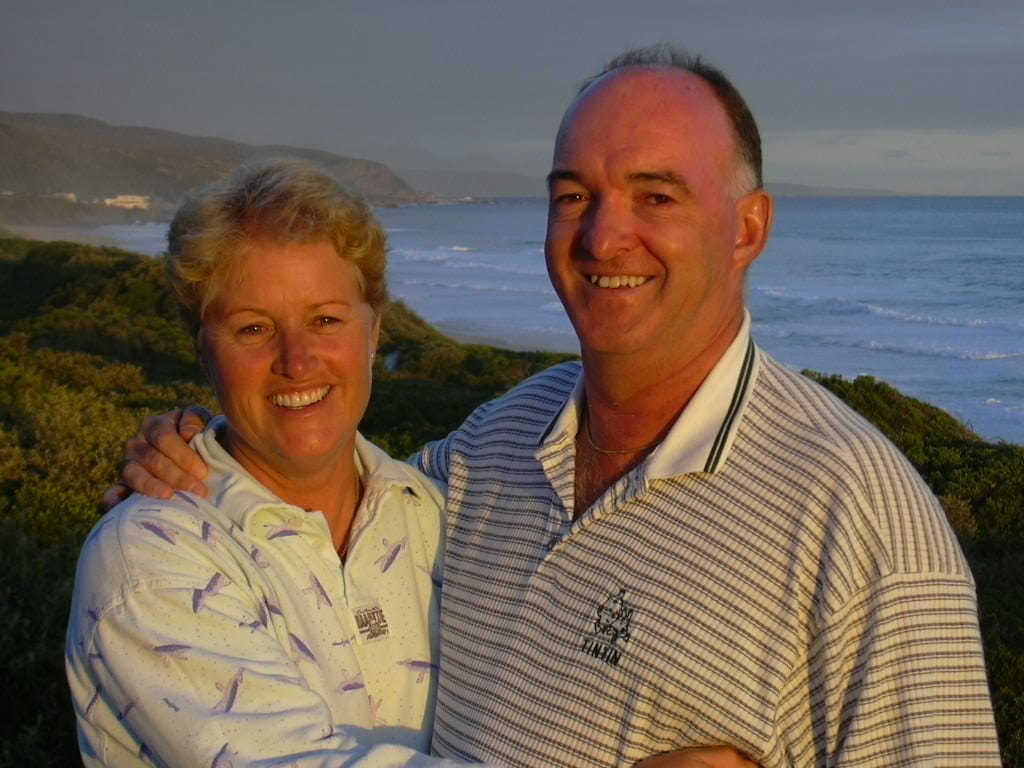
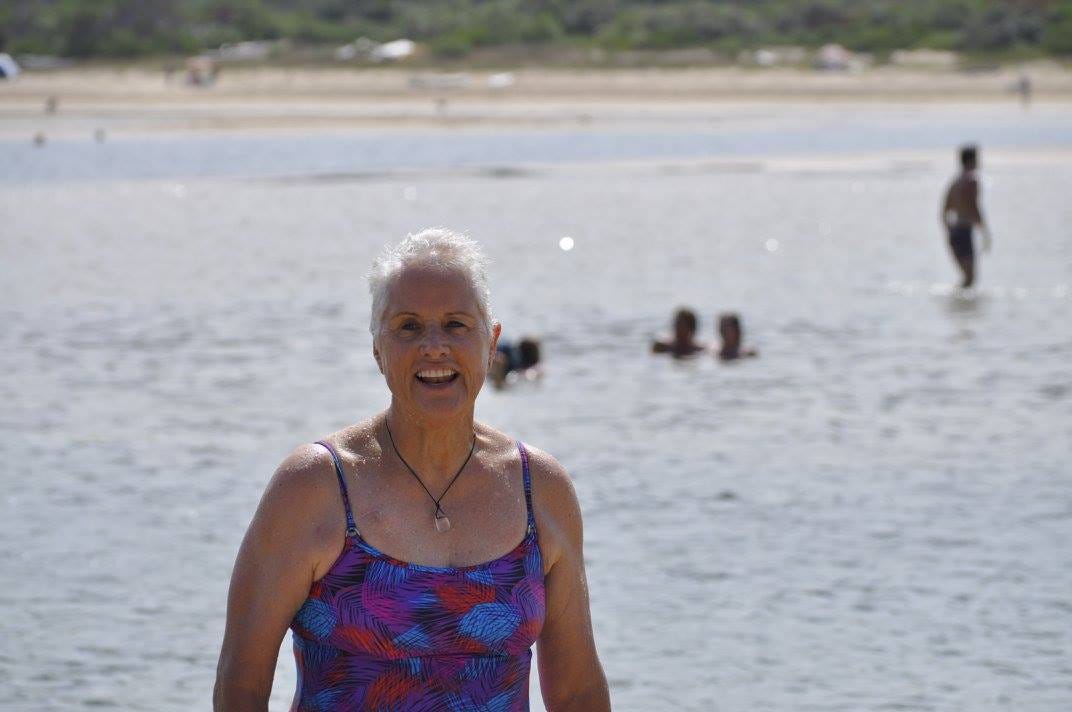
My mom left an indelible impression on the people around her because no one was outside her circle of care and compassion. Heike really saw you, what you needed, and perceived it as her work to give you what she could. I fondly relish joining her for her beach walks when we spent holidays by the sea. On these long walks she would take the position of curious, caring inquirer – asking about your life and choices, your hopes and dreams, your challenges and fears – and give you space to explore your world while holding your highest good as possible. The number of people from all walks of life who made a point of attending her memorial told of the lives that she’d touched. Heike passed from this world on the 13th of May 2016.
My first rose quartz
A year after my mom’s cancer treatment things really started to crumble. My brother called me out of the blue to try calm Heike down during a particularly turbulent emotional storm. I was at a university debating tournament and stepped outside to call her. She had reached breaking point in the dynamic at home and sought a way out. I listened and calmed her feelings and thought about ways to fix the situation. The role I assumed on that call was to regulate and rescue – vocabulary I didn’t possess until my late thirties. That conversation led to a family meeting where I stepped out of being a son and into the role of architecting the sale of our childhood home and the dissolution of our nuclear family. The plan, as I penned it after our family meeting, was that:
Heike would move back to Cape Town while Jurie sought financial opportunity through work abroad,
the house would be sold to clear the debt that kept my mom awake at night,
my brother would begin his studies in Stellenbosch, and
I would take a gap year following the completion of my studies.
Heike mourned the loss of our home, her friends, and the dreams that she held for her partnership and our family. So much hope and regret crashing against the rocks of the realised joys and hardships of that chapter of her life. I was riddled with guilt for the gaping hole where our home and family once were. What had I done? Why was it mine to do?
My mom was back in the wild, beautiful landscapes of her youth, a lifetime between her childhood and her return, and it was time to begin again. The financial stress remained as she sought to establish a new career to make ends meet. At that point, living next to the railway tracks in a shadow of the life now behind her, I imagine it was easy to feel abandoned, unloved, “not always worth it”.
On one visit to see Heike in 2014 I became suspicious of her unconscious motivations. We were driving back to her home when she shared that she wanted to move even further away from Cape Town to an even smaller town. It didn’t make any sense – at least where she currently lived, she was close to some family and friends. Why, if you feel alone and far from love, would you move even further away out of reach from the people that love you? I couldn’t figure out where she was coming from.
A while later my mom, dad and brother made a trip to the Kruger National Park. We’d attempted a few family holidays since our parents had sold the house and separated: the trips were free of animosity but awkward for me. I felt angry for what we’d lost, for pretending things were normal. In any case, on this trip I stayed in Johannesburg bogged down in auditing work. A few days in and my dad called me to let me know that Heike was in the Nelspruit hospital with severe pains. She required a rolling of her intestines, which had become obstructed because of scar tissue from her previous operations. I rushed down to join the family and we visited her in the hospital. My mom was so obviously relieved to have us there, and yet pretty soon she was encouraging us to travel back to Johannesburg. She told us that she knew we had work to do, that she was “a big girl” and that she would be ok. I couldn’t understand it: here she was, in a frightening situation far from home, visibly comforted that we were there, telling us that we should leave and that she would manage. I had the distinct feeling that some part of her was acting against her best interests, perversely working to further isolate her from love, like stranding her in the desert alone. Why would she try to realise her worst fears? Why make a story of feeling “not always worth it” true? I vowed to be vigilant and ignored her requests if they seemed to feed her negative spiral. A few days later with her health and mind more stable, my brother organised accommodation to stay with her during her week-long recovery. It was only then that my father and I, confident that Heike was cared for, returned to Johannesburg to work.
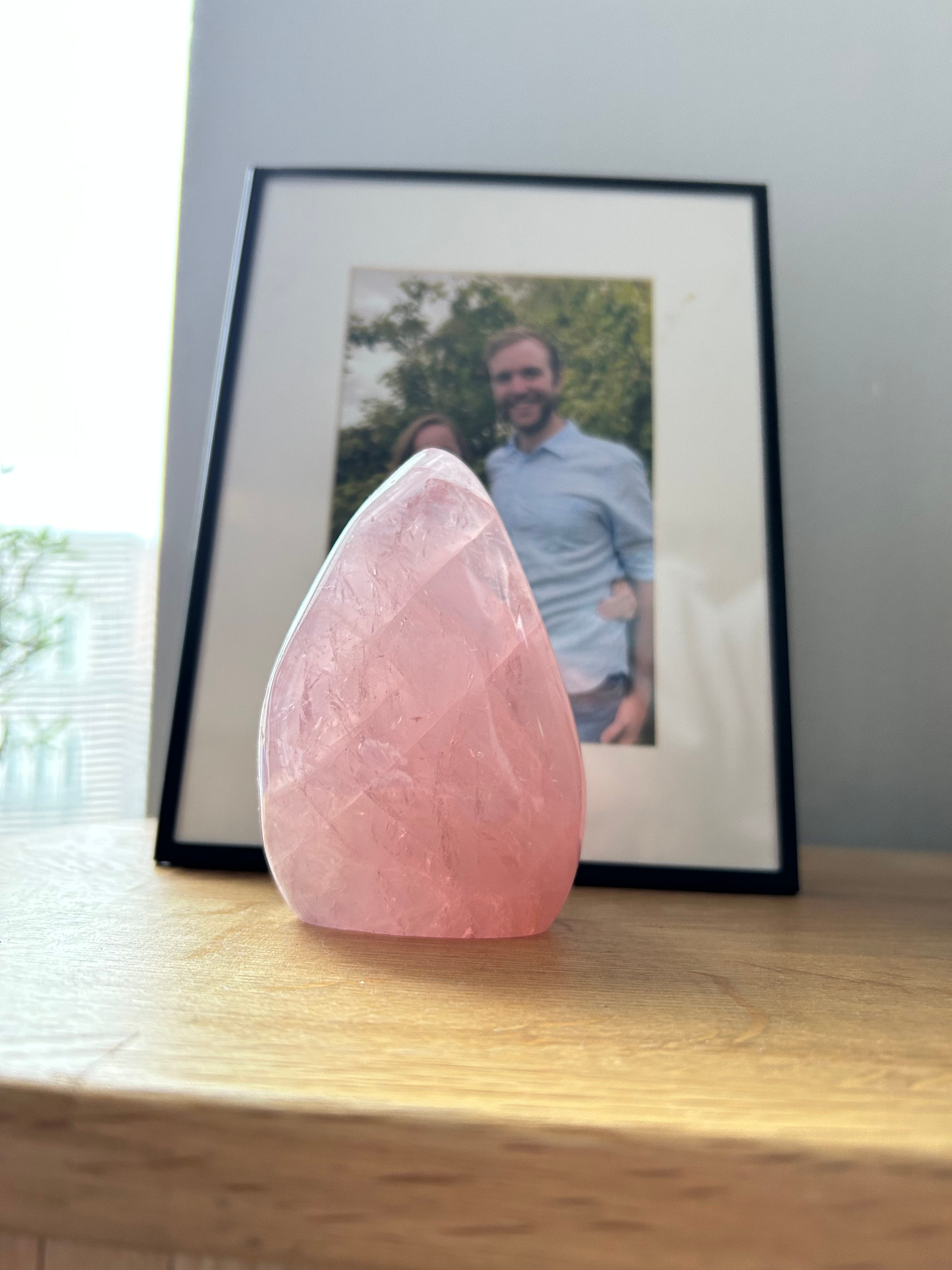
It was around this time that I bought my first rose quartz crystal and placed it in my Johannesburg windowsill. It caught my eye in a crystal shop and I decided to bring it home with me. Today it stands alongside a photo of my wife and I, at a time when we’re talking about bringing our own children into the world.
Tracing our roots
In December 2014 my mom, dad, brother and I gathered at the holiday house of a family friend who was also a doctor. Heike had sought medical attention after she started picking up weight inexplicably and she had received the results of her scans. A tumour was present on her liver; her cancer had returned. Our family friend helped explain her options and the likely consequences of each. My mom had no intention of repeating chemotherapy after her previous experience, even though it gave her the highest likelihood of time. But my brother and I were adamant that she at least try – she couldn’t give up without trying, it wasn’t aligned with how she had raised us. Heike conceded and resolved to give it a go. If the tumour shrank enough, it would be possible to operate.
The tumour didn’t shrink enough. Six months in and Heike decided that she would rather live wholesomely, if shorter, than continue with the two-weekly battering ram of chemotherapy. What followed was one of the most stunning transformations of a person I have ever seen. She was living in a cottage on a small wine farm: one of her dreams. She lost 20kg of weight that she had carried for over 20 years through healthy eating. She plunged into adventures with friends and family including travel, paragliding and good food. She looked and felt younger and healthier than she had in years. Finally, she experimented with every healing and spiritual modality she was exposed to. This was at a time when I was just becoming aware of inner work and emotional growth myself. I started going to regular moving meditation classes to observe my feelings, I read and listened and explored spiritual paths, I moved into a beautiful house-share with my friends, I cooked healthy meals and changed how I ate. When I called or visited my mom we discussed her journey, the healers she was seeing, how she felt, and her hope that her new way of living might unlock the physical healing she needed.
One of Heike’s good friends recommended that she “make new memories” with her kids. My mom decided to take my brother and I to Germany to meet relatives on our maternal side and experience some of the places she had visited in her youth. In December 2015 we embarked on a two-week tour of the country, travelling north to south to visit my mom’s brother, cousin, nephew, old friends and distant relatives. These visits established new connections for us. They also contained the implicit understanding that each farewell might be the last time that my mom would see her relatives.
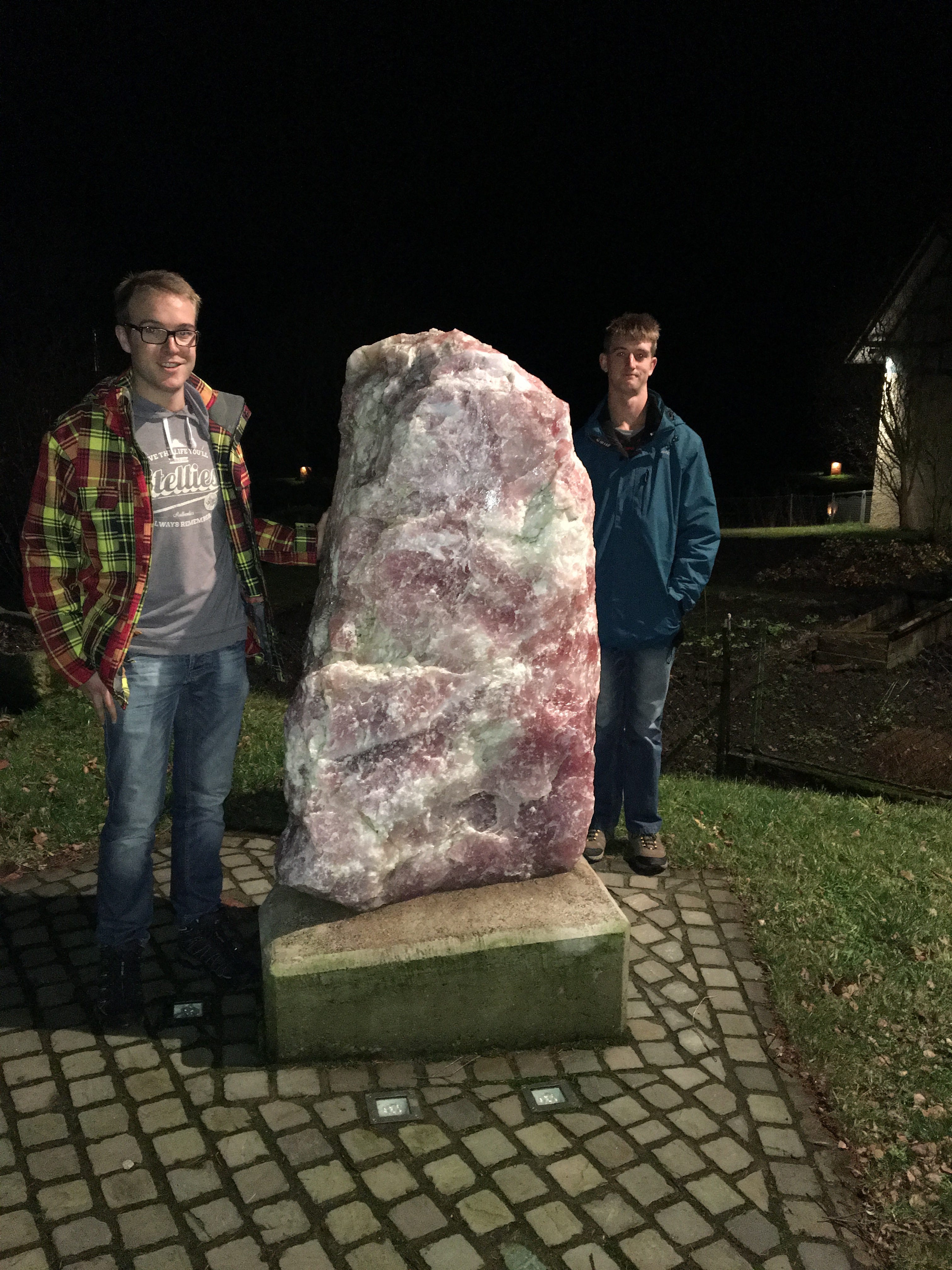
Towards the end of our trip, in the sleepy healing town of Bad Wildungen, we traced our grandfather’s family’s roots and found the hospital where Heike’s oldest brother was born before the family moved to South-West Africa. People from all over Germany come to rest and heal among Bad Wildungen’s spas and nurses. On our second day we made our way to a crystal shop. In this curious town where my grandfather’s family resided before emigrating to Africa, we found one of the largest pieces of rose quartz I’ve ever seen.
A bag of stones
After arriving back in South Africa from our German adventure, Heike had another set of scans… The tumour was growing and would slowly kill her. She began taking higher doses of morphine to fend off the constant pain. I didn’t have the heart to tell her we could smell the morphine when she asked whether her scent had changed. I chose to try protect her feelings over the truth. At this point she was living with our uncle and aunt on my dad’s side in the town of Stellenbosch, about 45 minutes from Cape Town. I lived there for weeks at a time and worked remotely to be near her, and my brother – studying at the nearby university – was a short drive away.
Heike met the head of a local hospice who guided her with great compassion and grace. As her physical body faded her spirit grew brighter. It was painfully obvious that our medical system could address the physical aspects of her disease and manage her pain but was woefully inadequate to support her through the emotional and spiritual dimensions of her dying process. She found incredible humans, including the hospice head, who could help her navigate the interior landscape of her experience. So great was Heike’s courage towards her imminent departure that often she was comforting others. Later I found notes she scribbled in a diary revealing her pain and anguish. I was shocked that so few in Western culture know how to be with someone when they face death, because everyone dies.
My brother and I bought tickets to the AfrikaBurn festival taking place in April 2016. A spiritual descendent of Burning Man in the United States, the festival sees the construction of a makeshift community in the Karoo desert for a week. It’s an experiment in a different form of living and attendees are required to offer gifts to the community; there is no money and no trade. With our mom’s ailing health, we decided not to go, but not before we’d bought a gift to give to others in the desert. I’d ordered 15kg of small rose quartz chunks and took receipt of the massive bag of rocks. What we’d do with the hundreds of stones, we didn’t know. It turns out they originated in Namibia.
As Heike lost her strength she moved into hospice and turned off her phone. My dad, brother and I visited her daily in that final week. Time marched ceaselessly towards an ominous singularity I couldn’t imagine or see beyond, and my mind thrashed against the situation unfolding. I struggled to be fully present with her. Her physical suffering was immense, and yet her spirit was at peace with what was to come. The end promised relief from the pain. On the 13th of May 2016, my dad woke me up to tell me that Heike had passed early that morning. We went to see her; my brother was already there. Her small body was tucked beneath a blanket in her hospice room. She lay unencumbered by the pain that had accompanied her for months. Her hand was cold, she was gone. The finality of a parent’s death is impossible to explain ahead of it happening. I cried and I cried.
In the days that followed I had the heartbreaking task of working through the items in her room, sorting through objects orphaned of the person who bound them all together. While packing her things, I came across several large chunks of rose quartz that had shared the space with her. They were now my brother and my inheritance.
Crystals in the desert
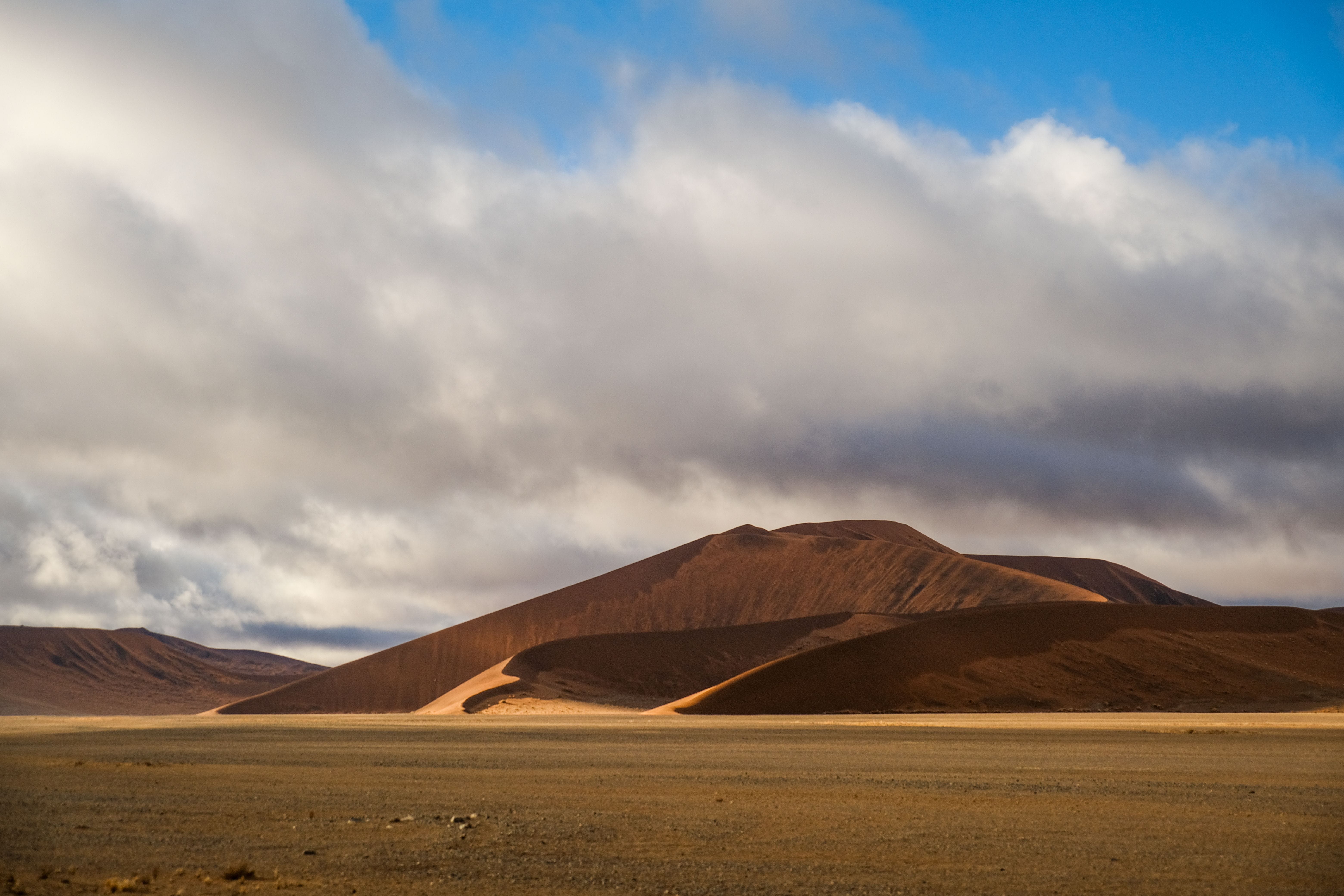
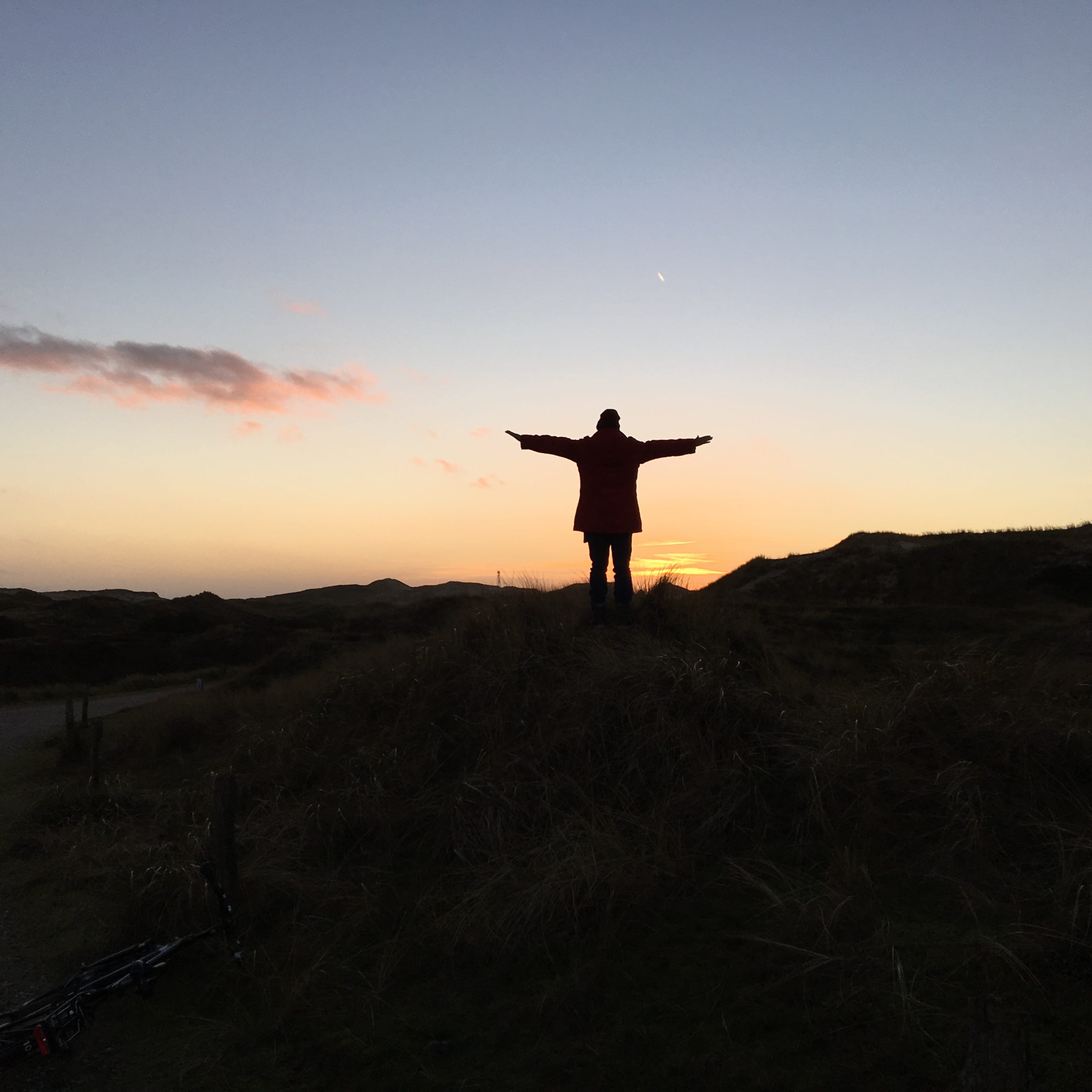
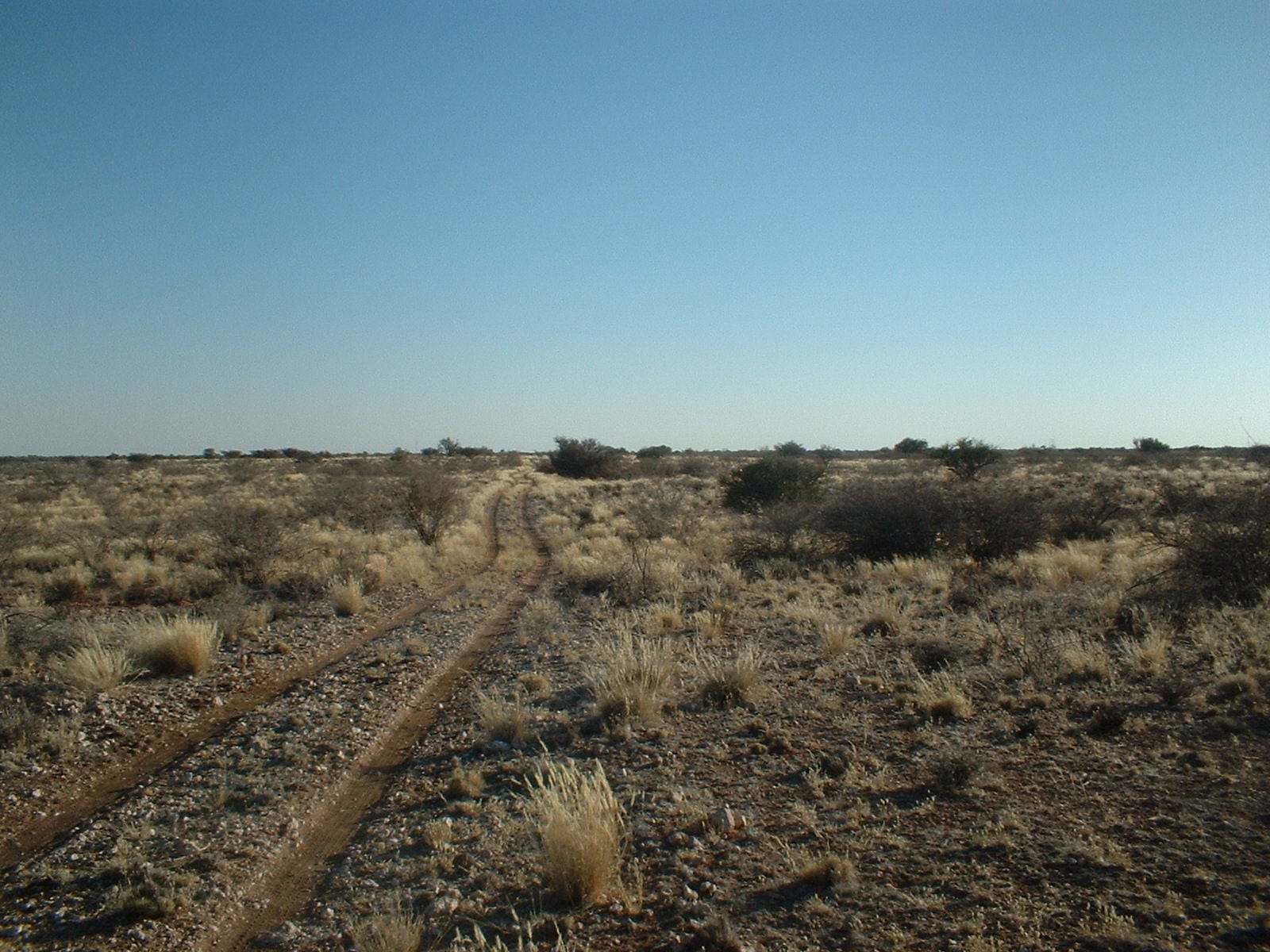
Heike took my brother and I to visit Namibia when I was fifteen. I’ll never forget listening to the deafening silence when we stopped on the side of the road during a seemingly endless drive through craggy rocks, dry canyons and desert sand. Or the striking sight of the red sand dunes on one side of the highway and the grey rolling ocean waves on the other. Or the family farm, Toeloop, rich in oranges and open spaces, the place where my mom and her siblings spent much of their childhoods. “This is Africa, guys!” our mom would declare to my brother and I, arms outstretched to the endless horizon. “We know!” we’d protest, “we’ve never been anywhere else!” I didn’t know how precious the time was. I didn’t know the questions I should ask. I never got to ask them. What happened on this farm, Mommy? What happened in this land, where you were formed?
It took decades before I could know the significance of that place. It was revealed in Heike’s last clues to us, in snippets from family members and in records of my grandfather’s time as a soldier of war.
The Germans established a colony in this corner of the African continent in the late 1800s, at a time when so much of this rich land was being colonised and plundered for European interests. The Germans were stripped of their colonies following World War I, and South-West Africa came under South African administration through a League of Nations mandate, a supposedly transitional arrangement until the territory’s mostly non-European inhabitants were deemed civilised enough to run a democracy themselves.
It was to this part of Africa that our grandfather Heinrich returned a few years after his experiences in World War II. He was born to German immigrants in South-West Africa just after World War I. In his teens he travelled to Germany to study cabinetmaking. After completing his studies, he was journeying back to Africa in 1939 when war was declared and his ship turned around. When he landed back in Germany with a German passport, he was enlisted to the army despite his dual citizenship. South Africa, and therefore South-West Africa, sided with the Allies. After active duty in Polland and Holland, Heinrich spent six months in hospital with a sudden swelling in his neck. They tried operating to remove what seemed like a strange cancer but couldn’t find the cause. As soon as he could, he made his way back to the frontline to avoid spending any more time in the horrors of the hospitals. Heinrich was deployed to North Africa to fight the Allies, including friends from back home. In his tender early twenties, his whole future ahead of him, he was left in the desert to fight Europe’s war. Eventually he was captured by the Americans in 1943 and spent three years in prisoner of war camps across North Africa, North America and France. He never spoke much about his experiences in combat.
After his release, Heinrich made his way back to Germany and married my grandmother. Two years later she was pregnant and he was hospitalised for five weeks with a stomach ulcer. They had their first son in Bad Wildungen, Germany. They emigrated to South-West Africa in 1950, partly in the hope that Heinrich’s stomach issues would improve. His wife and her young child had never set foot on this continent and there were difficult stretches alone on the family farm as Heinrich pursued work. My mom was born in 1957, the third child of four. She grew up between Lüderitzbucht and Toeloop, the family farm. When my mom was about ten, the family moved to Cape Town, South Africa so Heinrich could work as a boarding house superintendent at the German school. Moving between the two countries was easy – despite the League of Nations’ dissolution after the Second World War, South Africa defied the newly established United Nations and continued to cling to the territory. Namibian independence wouldn’t come until 1990. My grandfather Heinrich Rothauge passed away in Cape Town on the 19th of December 1993 at the age of 74, from colon cancer.
Namibia is also the place where a significant amount of rose quartz formed 500 million years ago. Three ancient continents – the Congo, Kalahari and Rio de la Plata – collided into each other to form Gondwanaland and the massive Damara mountain range, comparable in size to the modern Himalayas. As the molten rock began to cool roughly 8 kilometres under those ancient peaks, silica molecules started to grow into crystalline structures within superheated water. At high temperatures and over hundreds of thousands of years, these pockets of water filled with more and more interlocking crystals. We’re not sure exactly why rose quartz is pink. The pigmentation stems from microscopic pink threads suspended throughout the grid of molecules, likely from traces of other elements that grow as the crystals do. It would take the next 500 million years for those mountains to be eroded down, as the continent of Gondwanaland collided with Laurasia to form Pangaea, and Pangaea broke apart releasing Gondwanaland, and Gondwanaland broke apart allowing our modern continents to finally take shape. Slowly through wind and water and time, erosion removed the overlying rock to reveal those pink treasures of the depths. Rose quartz is now mined at the surface and distributed around the world. In 2016, 15kg of small stone chunks made its way to a young man in South Africa who was planning to go to a festival in the desert.
That little girl
We held a memorial for Heike in Johannesburg a month after she passed away. Many of her friends there had not seen her in months and we were fortunate that she could update them on her journey in her own words. A film student documenting the varied stories of cancer patients had contacted our mom for an interview while she still had strength to share. We all watched the video together that morning and caught a glimpse of the transformative wisdom that was unfurling within her in those last weeks and months. Our beautiful mother, body thinning yet eyes gleaming, shared what the cancer had asked of her. In her own words…
“I came back and had another scan and the cancer is just not budging, it’s just growing and growing and growing. So I believe there is more I have to do, there is more I have to deal with. And the huge thing for me is that… until the box is closed, a miracle can still happen. But for me also, the miracle is not just physical – that you can heal – but it’s especially spiritual. I think, spiritually, the miracle has definitely happened with me and if I needed this cancer to get that right – success, tick, 100%, so glad. You know, but then today I had another experience and I realised that there’s this little girl in me that has had it really hard and I have not made peace with all of it, and I have not looked after that little girl, and she can’t trust me yet. So, I reckon that until I get that right there’s a little bit of a journey ahead of me. And I just hope I get it right very quickly because the pain is not funny. But otherwise life is great.”1
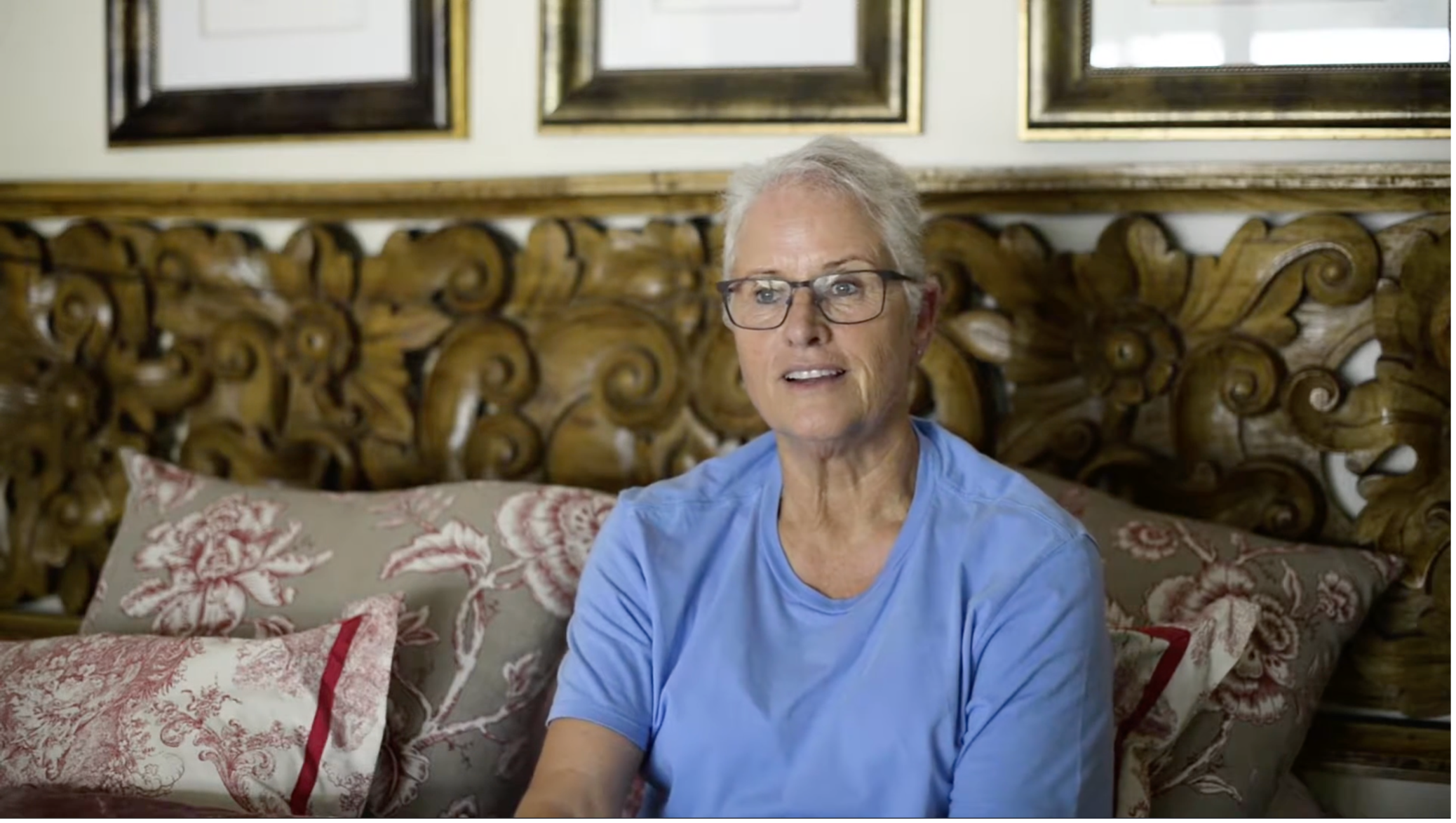
That little girl grew up in Namibia with a father trying to provide for his young family after serving in a world war. That little girl “had it really hard”. It reminded me of a story she once shared about a time she misbehaved, perhaps at the age of 6 or so. Her father, enraged, drove her out to the middle of the family farm and left her in the desert, leaving her out there to fend for herself for an entire day. Abandoned in the sun and sand and stone of the savannah by her protector, you can see how a story of “I always had the feeling I was not always worth it” might start to crystallise and take form. You could see that story searching for affirming evidence in a marriage that breaks down or in giving up on a family home dream or in receiving a cancer diagnosis. You could see how choices made from that story can shape your circumstances and relationships and make itself true. You could see the compassion and holding you might require to acknowledge that story in the fullness of the arc of your life, one story among many, and find love for that little girl who couldn’t comfort herself. And you could see how a story, held in the light of compassionate awareness, gives way so that only love and understanding remain.
I believe she made peace with that little girl after that interview, before she passed on from this world.
A gift
We invited the memorial attendees to write Heike a note. We promised to burn each note and to release their ashes alongside Heike’s ashes, letting it all out to sea. Each person placed their note in a wooden box and was invited to take a piece of rose quartz away with them as a reminder of the love they shared with Heike. And so, we began to gift the Namibian rose quartz we’d received for AfrikaBurn.
I gifted that rose quartz to my study peers a year later when I travelled to Peru to learn about a system of medicine that sees the invisible aspects of mind and emotion and the visible aspects of body as intimately woven together.
I gifted that rose quartz to my classmates three years later when I first told the story of this stone, the power of narrative and the curious intergenerational healing of patterns to an assembly of MBA students in Oxford.
I gifted that rose quartz to my fellow participants nine years later when I let go of a keyring my mom had gifted me on that trip to Germany. That evening in the Netherlands, I vowed to set her and myself free from the stories I had been telling so that we both might move a little more freely going forward.
The shrinking collection of stones has travelled with me on my international moves, the stones given away as I slowly piece myself together… Inviting love and care into my inner desert, learning to be present with my own feelings, finding the voice to articulate my needs and set boundaries, relinquishing the responsibility to fix others’ situations, releasing the fear that this world is not a safe place to be me.
I gift that rose quartz to you now: a stone associated with love, with the heart, and – as I came to find out with time – with healing childhood trauma.
There is still some rose quartz to go.
Afterword
Thank you for walking through the wilderness with me. In the next essay I’ll be exploring personal development and my tumble down the rabbit hole of psychedelic ceremony. Next time our wild idea is: can magic mushrooms evolve human consciousness?
If this work resonated with you, subscribe and share it with others. Spread the love.
Acknowledgements
A huge thank you to:
Jayni, Ash and Axel for your generous feedback on early drafts
Leigh and Lesanne for encouraging, shaping and reviewing this series
Phillip-Jan van Zyl for his beautiful piano collection “Spiral” (in the audio version)
Louise for guiding my way to inspired creativity
My partner Ash for your love and support throughout this project
The many wonderful humans who inspired these words through our conversations.
Further attribution:
Ungaro, F. (2026) Majestic sand dunes of Sossusvlei, Namibia. [photograph] Pexels. Available at: https://www.pexels.com/photo/majestic-sand-dunes-of-sossusvlei-namibia-39260647/ (Accessed 7 September 2026).
Kaboompics (2020) Photo of rose quartz. [photograph] Pexels. Available at: https://www.pexels.com/photo/photo-of-rose-quartz-4040589/ (Accessed 7 September 2026).
Music by Kyle Preston and sound effects under licence from Artlist (in the audio version)
Wild Ideas is produced by JJ van de Vyver. Views expressed are mine alone and don’t represent my clients or any organisations I’m affiliated with. Nothing here is professional advice of any kind.

Cancer Stories (2016) Cancer stories – Heike. [online video] Available at:
(Accessed 7 September 2026).